Restorative Practices
Bioautonomía (prácticas restaurativas)
Once all the target groups and stakeholders have been identified and involved, the next phase is to develop the necessary tools in relation to the identified needs. In this phase, a series of workshops will be carried out using a Hackathon methodology based on learning by doing to experiment practices and tools linked to the specific contexts. The methodology combines challenge-based learning and design thinking to propose a methodology focused on the use of open source technologies and hybridization with appropriate technology and traditional knowledge from a transfeminism perspective.
Unha vez identificados e implicados todos os grupos obxectivo e partes interesadas, a seguinte fase é desenvolver as ferramentas necesarias en relación coas necesidades identificadas. Nesta fase levaranse a cabo unha serie de obradoiros empregando unha metodoloxía Hackathon para coñecer e explorar as ferramentas axeitadas vinculadas aos contextos específicos. A metodoloxía combina a aprendizaxe baseada en retos e o pensamento crítico para o deseño para con isto propor unha metodoloxía en base ao uso de tecnoloxías de código aberto, coas chamdaas tecnoloxías propiadas ou tradicionais. A perspectiva será fortalecer o ecoloxía dos saberes e das prácticas dende unha perpertiva transfeminista.
Casa do Río activities
1. Appropriate technology and Open Source
1.1. Ecologic queer energy Harvesting, Prototyping and Open Source Wind Turbine.
“Comprehensive documentation of the entire process on the Hackteria Wiki, an active part of the open-source network with which members of the restorative practices team had already been collaborating prior to and throughout the restorative process.”
Video about all the steps How to Build an Open Source Wind turbine
https://archive.org/details/eco.logic-queer-todo-1
There is also internal documentation on our own Restorative Practices Wiki check it here https://restorativepractices.eu/wiki/doku.php?id=start
1.2. Building an efficient sustainable stove.
Description
On 16 of March Gus was diving the group to an introductory workshop and showed
on the screen about different models of stoves and their efficiency. They saw videos
about permaculture and the work several makers have done involving bio-materials
as mud and straw.
On that day Gus introduce to their group different techniques and the group start to go into the practice following the instructions from the facilitator. They made different
groups to work on the different task sequentially.
The building procedure of the stove happened as follows:
Since 16 of March we gathered two weekends in order to conclude the preparation of materials through different workshops to build the complete stove in 4 day event.
First we started giving a level to the floor . This was easy and needed to isolate the main chamber from the humidity from the floor.
Then, we covered the first part with block made out of mud. Then, after several layers were made different levels to arrive to make a big pipe for the smoke. We cover that part with a metal oil recipient and we prepare everything to make two layers more and the base for the maintenance of the hot smoke second chamber.
In the meantime we learn how to make the mixing of the materials in order to glue
the brick with three different measurements with mud, sand and stow.
They continued to work on the building blocks to have on the first weekend almost
half of the work done.
1.3. Biodiversity pond
natural pond for biodiversity and bioremediation
Description
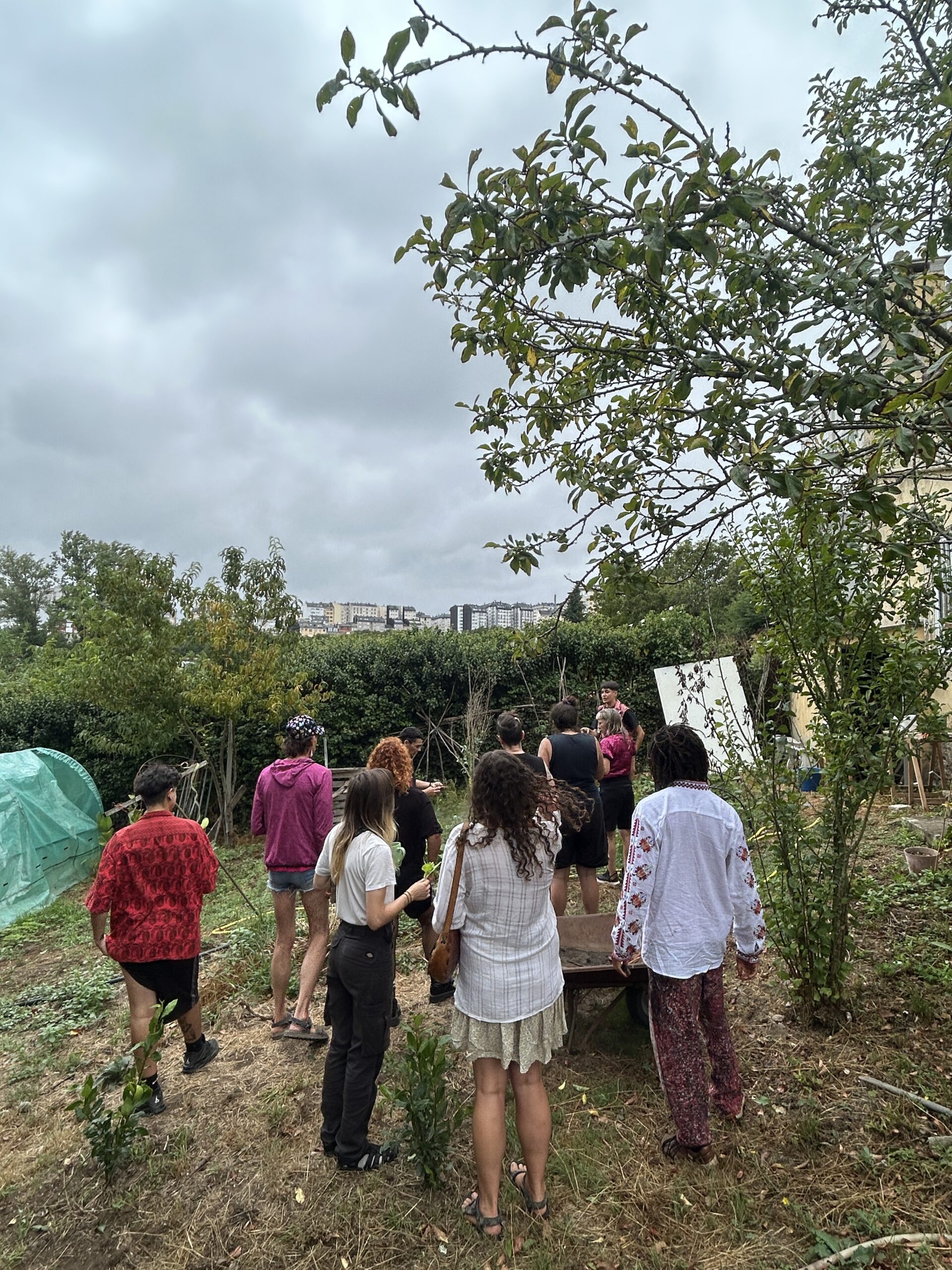
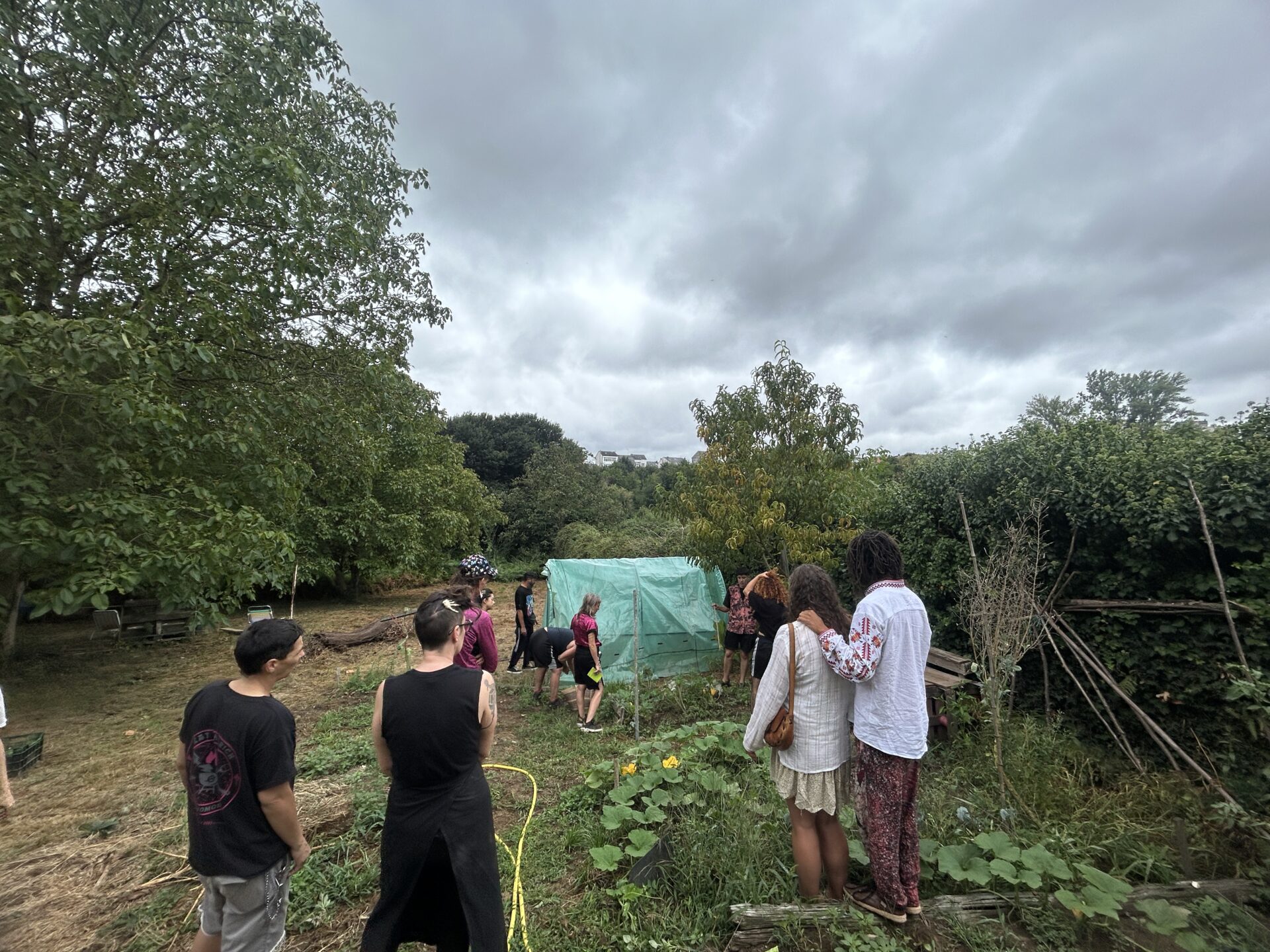
The community gardens of Casa das Comunidades are very near the city streets of A Coruña and the highway called Terceira Ronda, so we suspect the pollution contained in the soil, air and water is quite high in them.
This workshop was aimed at teachers, health workers, university students, agents from thearts and culture and public officials to generate discussion about pollution and cities and what answers can be found for this problem that individuals and institutions could apply.
Precedents
From February until May 2024 a permaculture project was implemented in the gardens of Casa das Comunidades, with a series of workshops for secondary school students to build a natural pool and vegetable gardens. A long building process that spanned several months to create a water ecosystem and some gardens.
In the final stage some plants used for bioremediation were already planted in the vegetable gardens with “IES Agra do Orzán” school students. Plants such as pumpkins and several kinds of mustard were planted in the veggie patch we created and the plants Elodea and Lemna were introduced in the pond in the final stage of its creation.
Members of Casa das Comunidades, agents from the cultural sector, public officials, and teachers from the secondary school were personally contacted for this workshop as well as invited via whatsapp groups.
In this bioremediation workshop, we’ll go through the final stages of creating a natural pool to benefit biodiversity as well as introduce plants for phytoremediation and other systems to remove pollutants.
2. Bio-autonomy Life
Alcuirmia
Plants: Local plants and secondary products
August 19th to the 20th
Chusa Martinez, Gaia Leandra & Ce Quimera
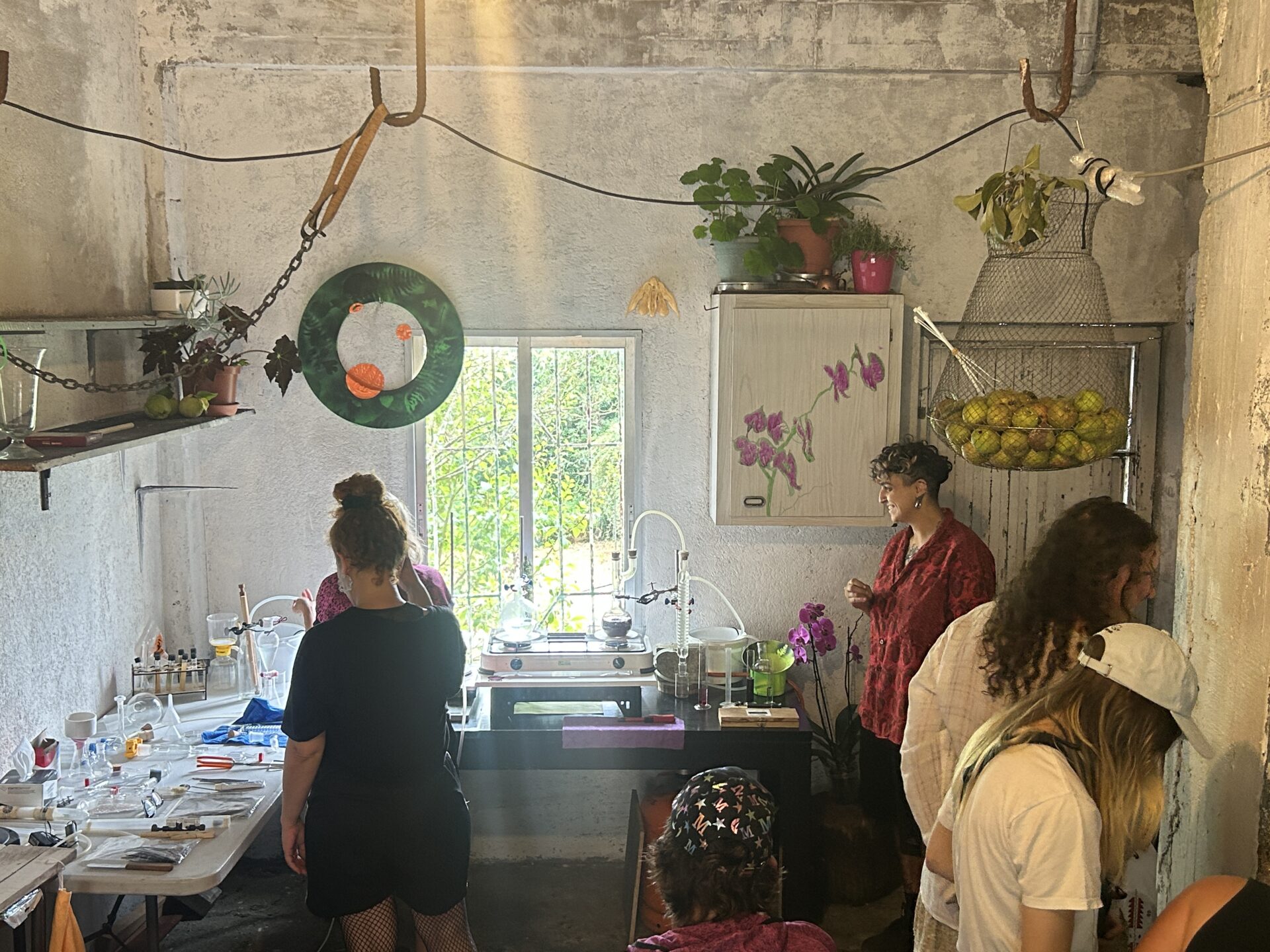
Alcuirmia was an experimental weekend laboratory.
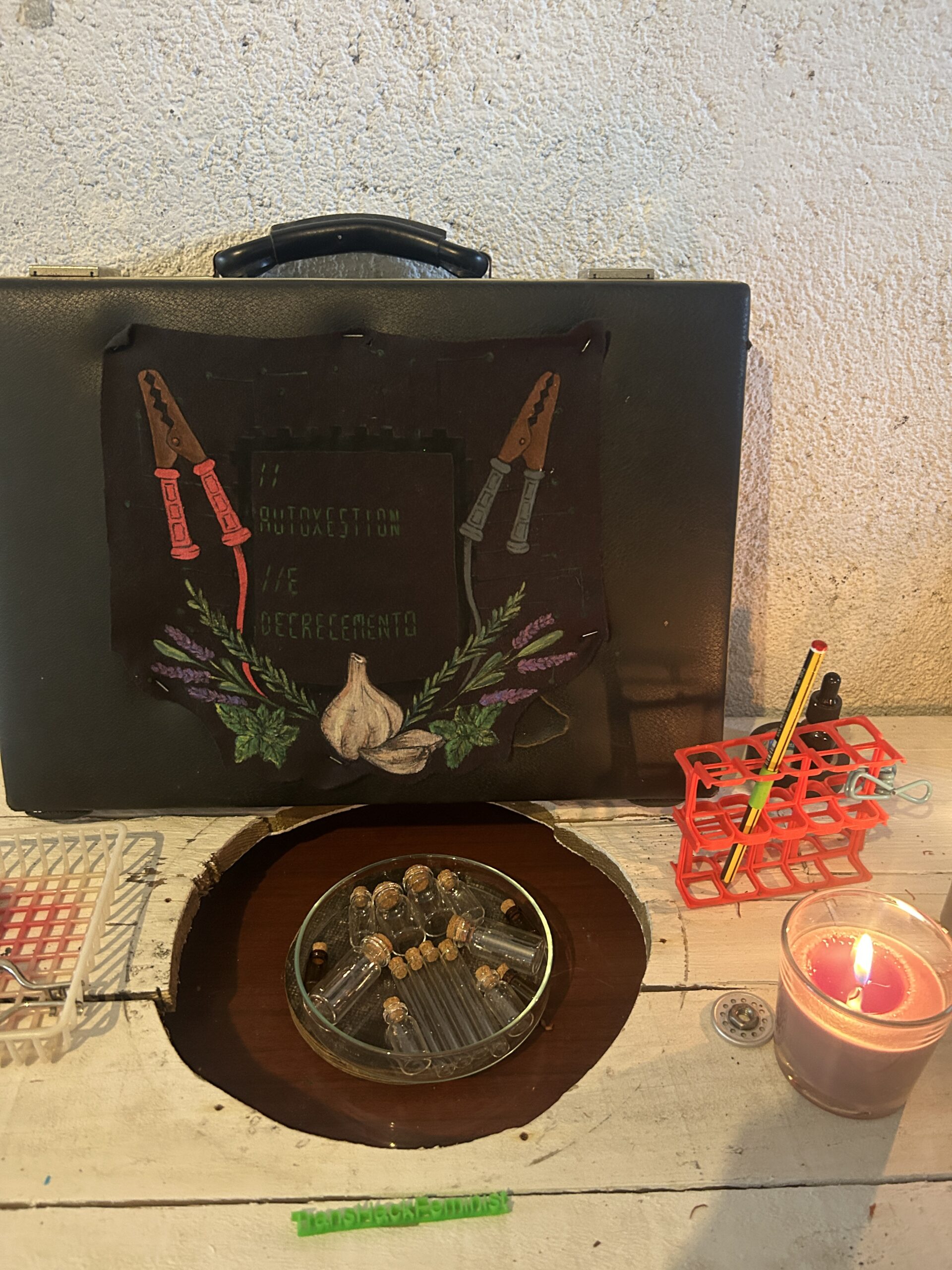
The BioArtlab in Lugo is a non-governmental organization. Its aim is to carry out activities at the interface between art, science and technology. The space includes a Biodiversity Garden and Bio. Electro Laboratory, based on queer open science, which is beautifully located in a space that used to be a garage, and is now used as an art science gallery.
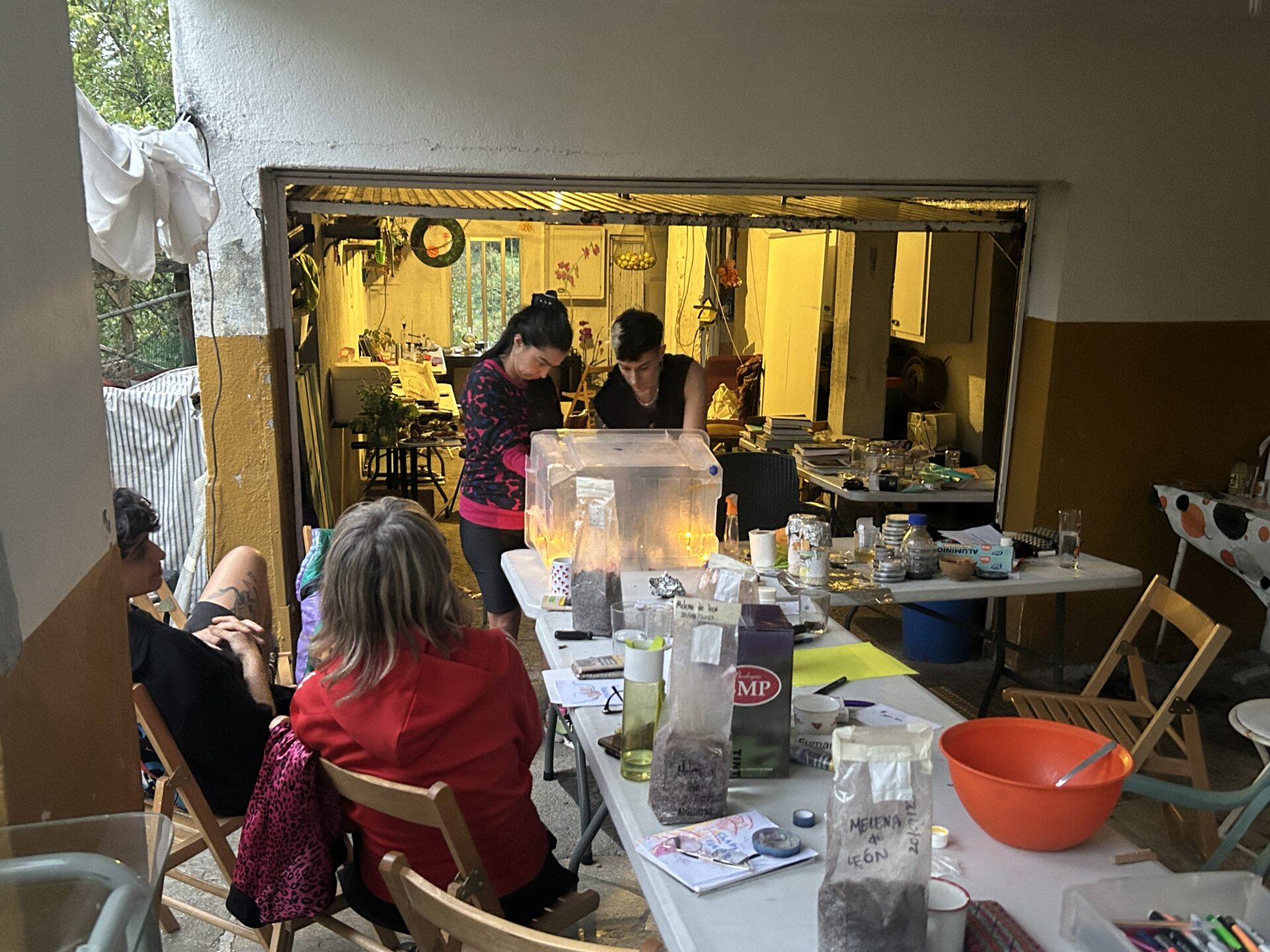
For the realization of the Alcuirmia weekend, we have been coordinating with the facilitators, artists, creators to hold 2 of the workshops of BioAutonomy Life and one workshop of BioAutonomy Materials in the same weekend, to host a complete BioAutonomy Laboratory called Alcuirmia. One of the main reasons for doing this was related to the fact that working with nature and within its processes takes a lot of time. And when you’re working within a permaculture framework, you want to use the by-product of the plants to make biomaterials like shampoo. So, we’re organising a full packed event where all those involved will get to meet, share and eat together in this space.
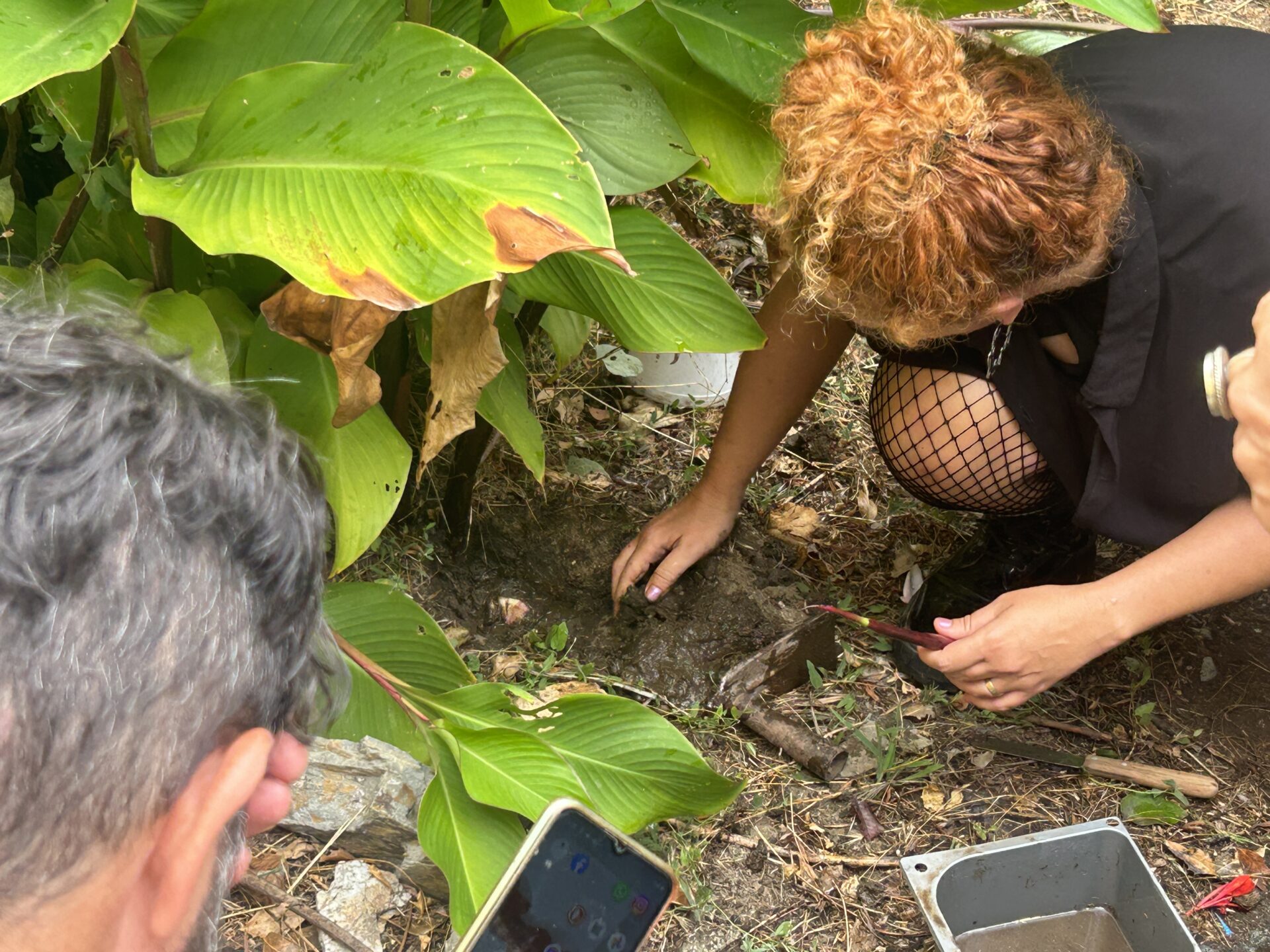
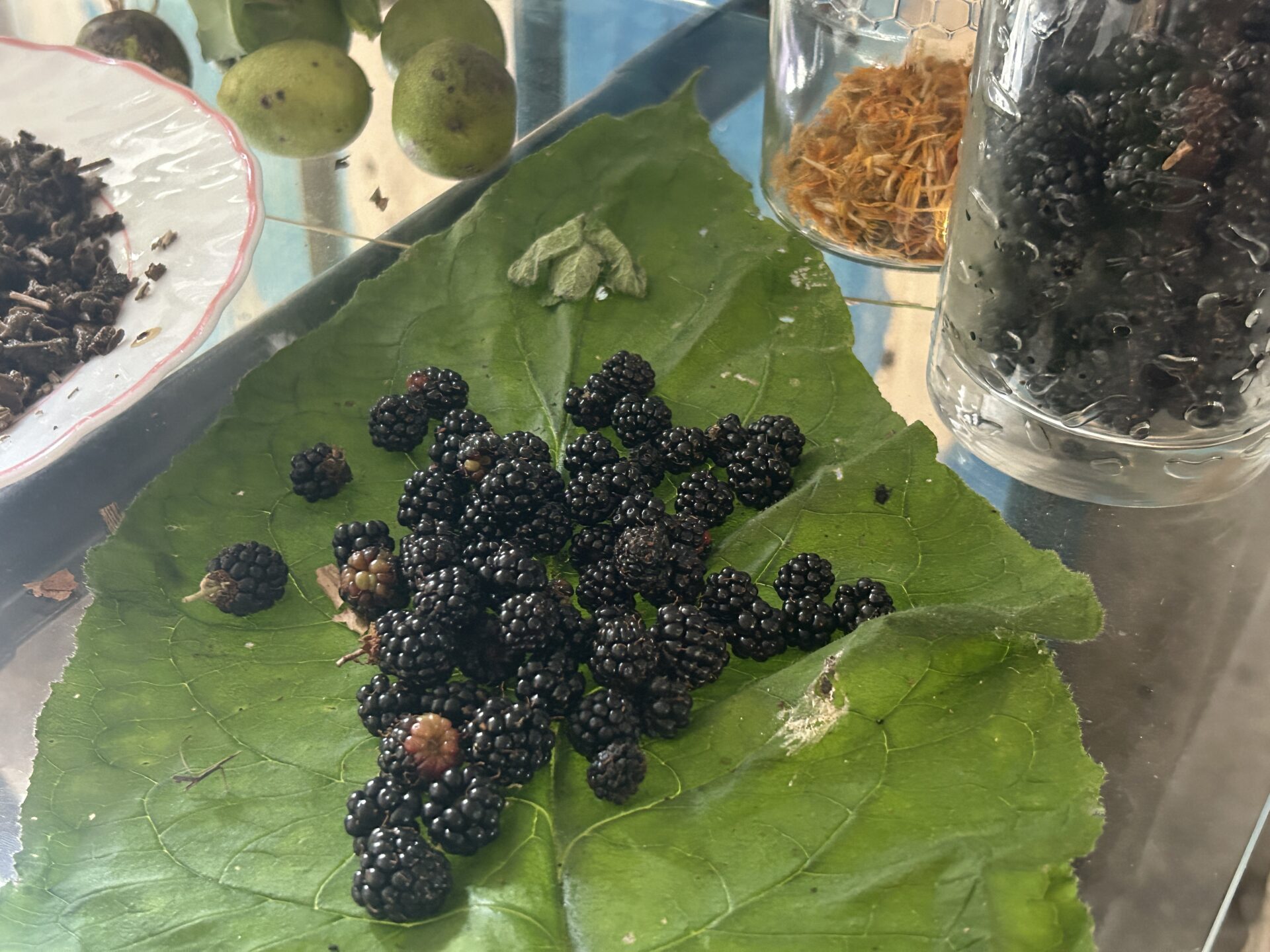
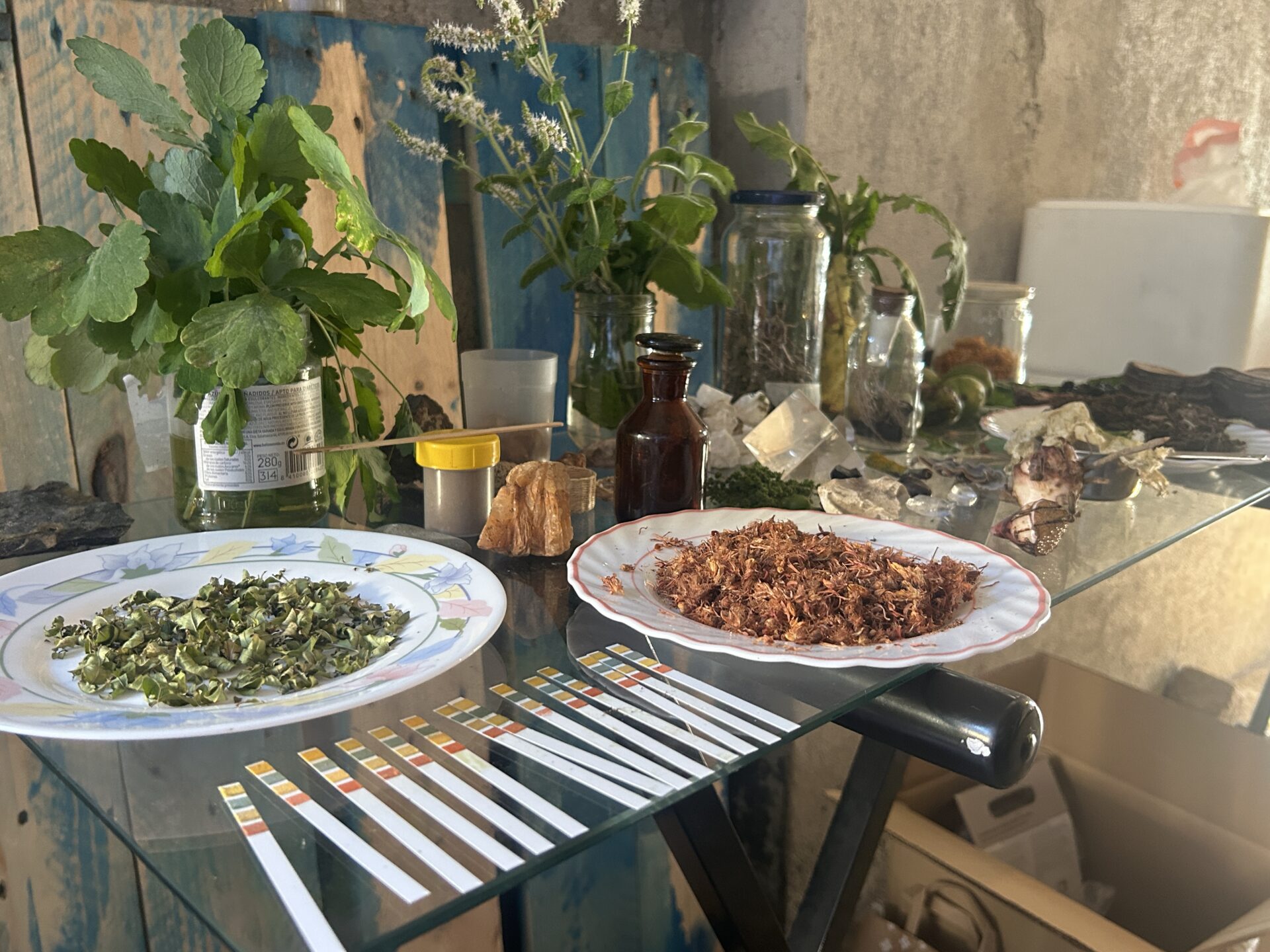
For the Bioautonomy-Life and local plants (W2). We start with a workshop by Pin and Mulhulloa, where we identify plants, fungi and other organisms in the surroundings of the BioArtLab. We will learn how to recognize the plants, draw some of them and prepare them to extract secondary products. We have been preparing materials for the publication we send as a deliverable, so each person was giving some inputs for the collective publication.
Bioxeno
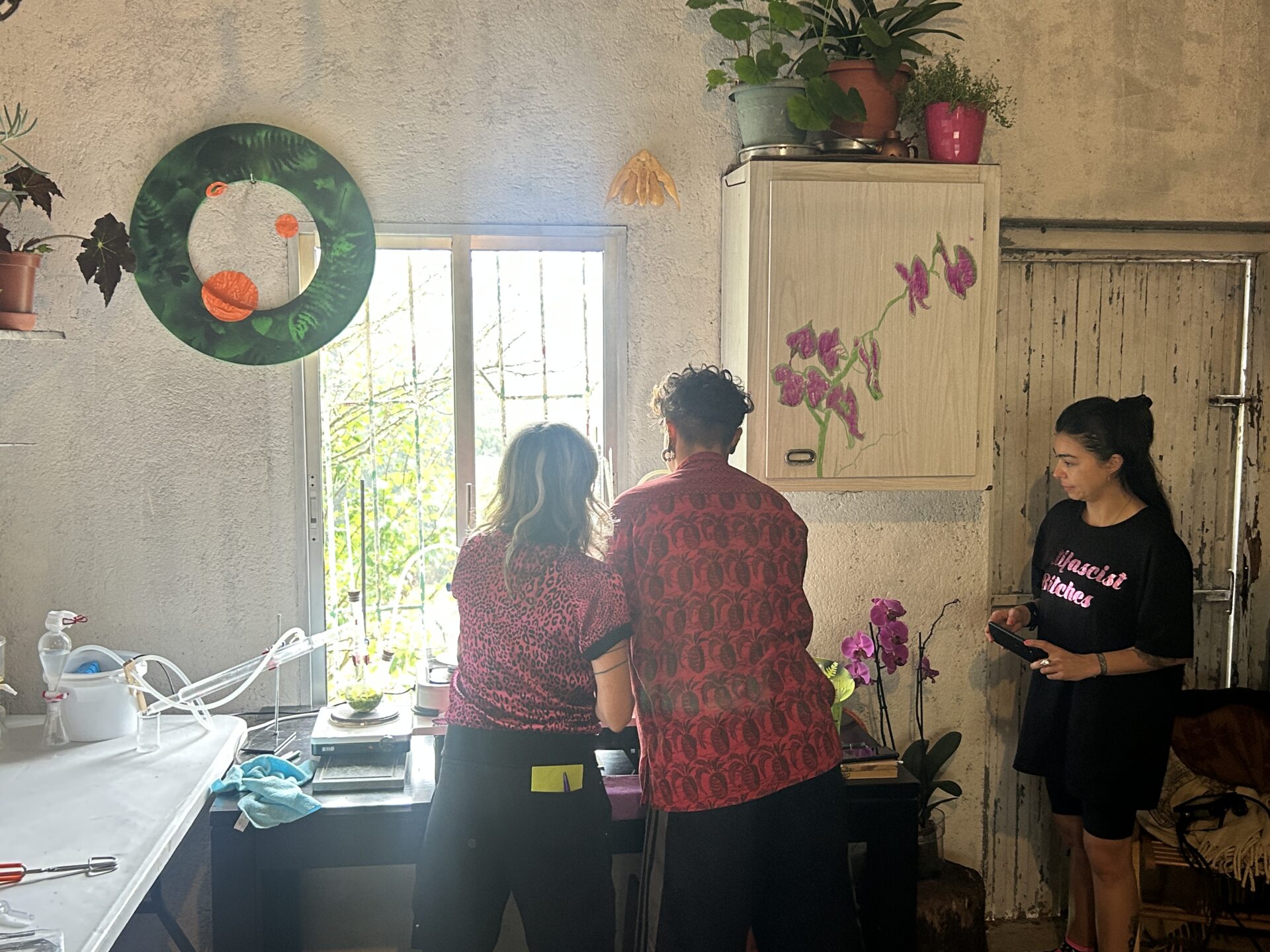
At 12:00 we continue the journey with Bioautonomy-Life and secondary products from plants (W2) a workshop of Bioxeno by Gaia Leandra and Ce Quimera, where we were experimenting with new protocols, looking for future textures, smells and tastes, breaking the border between organic and inorganic, living and non-living matter. https://wetlab.hangar.org/
In this workshop we were experiment with different techniques of distillation, fermentation and extraction of organic products such as plants, spices and anything that catches our attention around us. The aim was to carry out cross-contamination processes, learn from experience and share laboratory techniques. The idea is to create a space where mistakes are allowed. A space where you can feel free to question and reflect on scientific dynamics and how to turn rituals into protocols and vice versa.
To relearn the ancestral techniques of our grandmothers, to mix them with the scientific
knowledge of the university, and in this way to create new forms of experimentation.
To be able to create a pharmacological independence of personal and collective self-sufficiency.
Intra-actions Each workshop has a relationship with nature. Let’s say they are fundamental to each other.
After the recognition of the plants of the Galician environment in the BioArtlab queer garden, we joined forces to extract/cook/observe different plants autochthonous to the area.
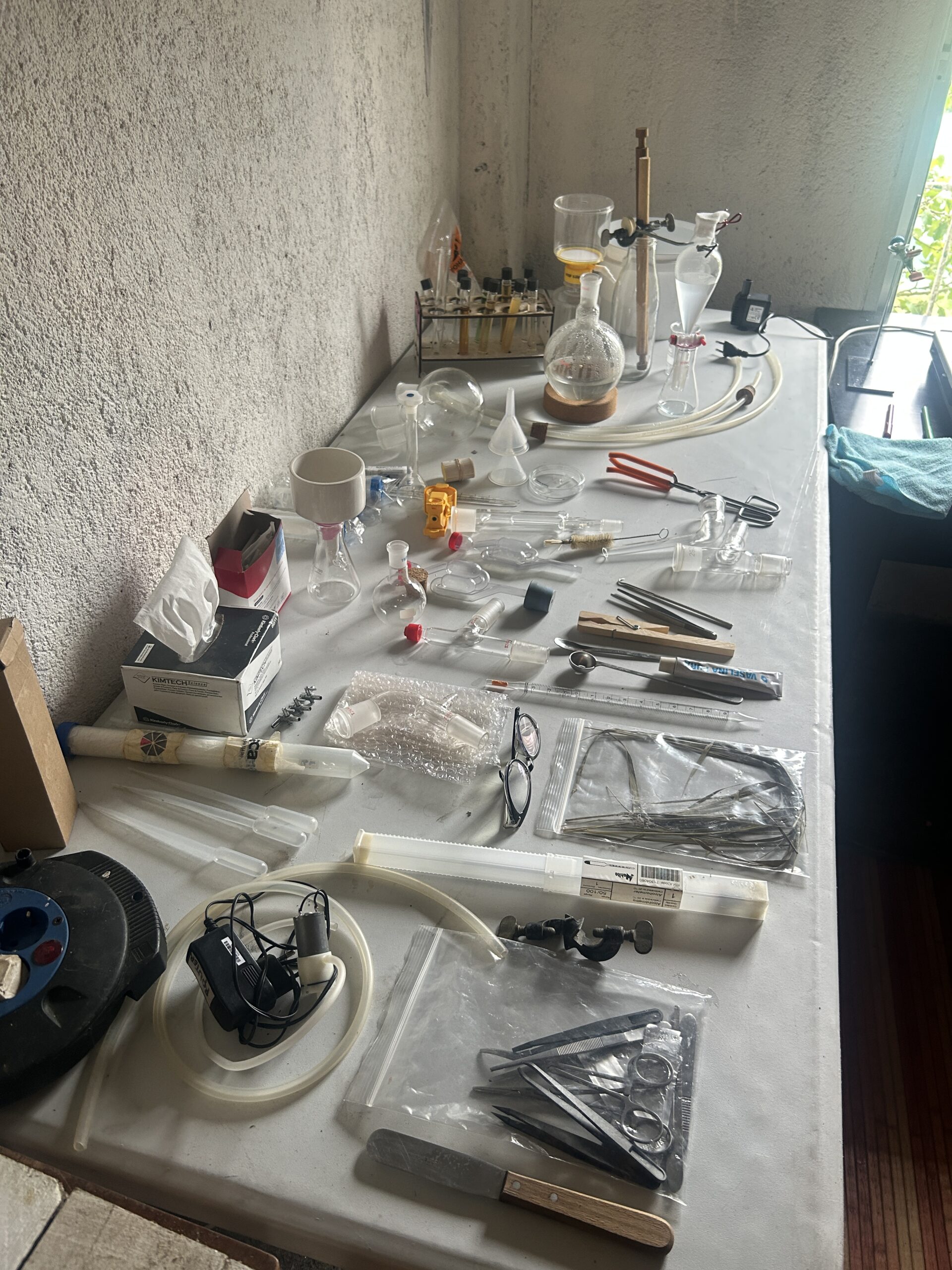
In order to exchange different techniques and tools, we built the mobile lab together, mixing the BioArtlab and the Bioxeno lab. We shared different perspectives and safety in the lab, and we continue to grow the network of shared knowledge.
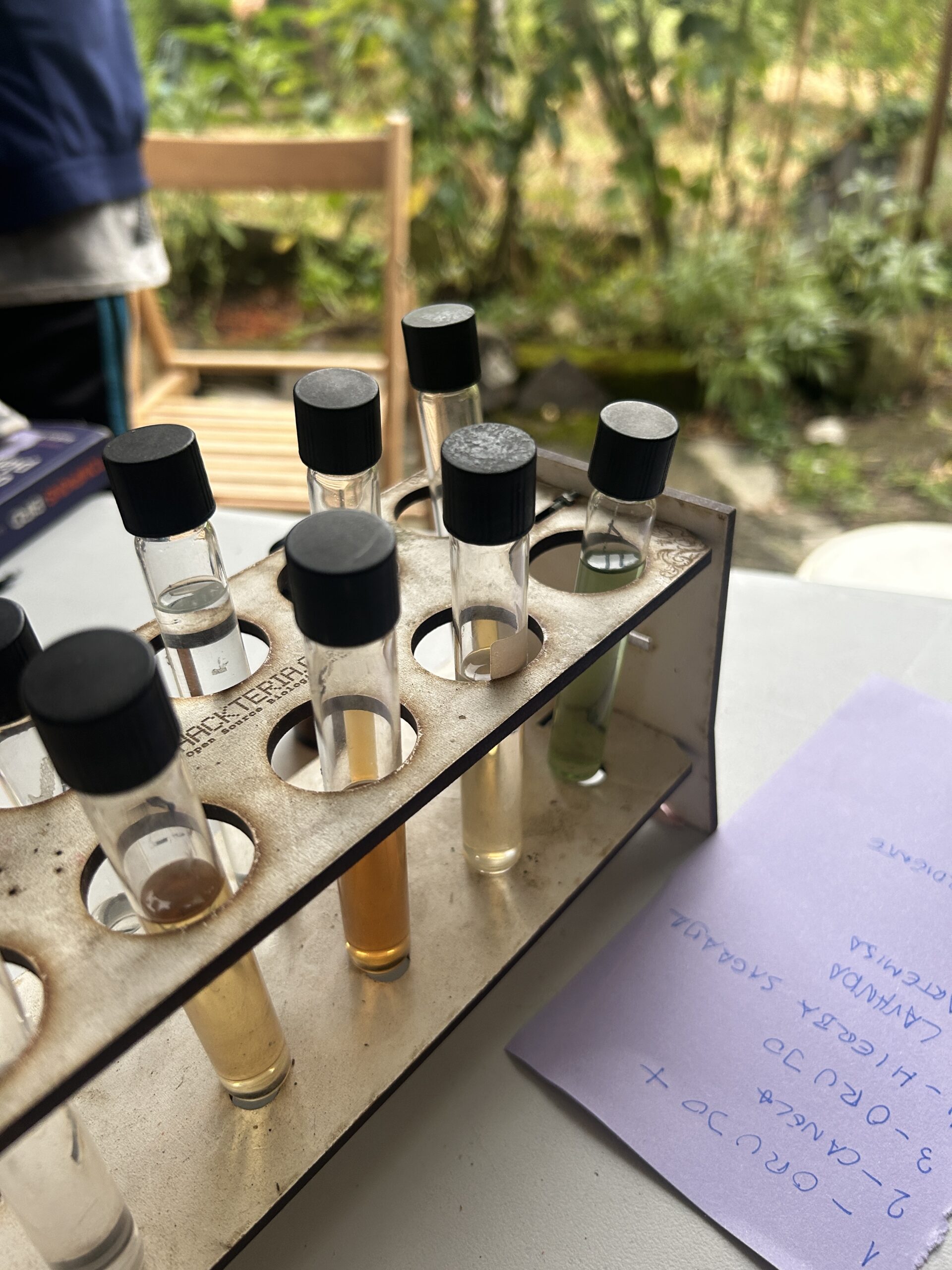
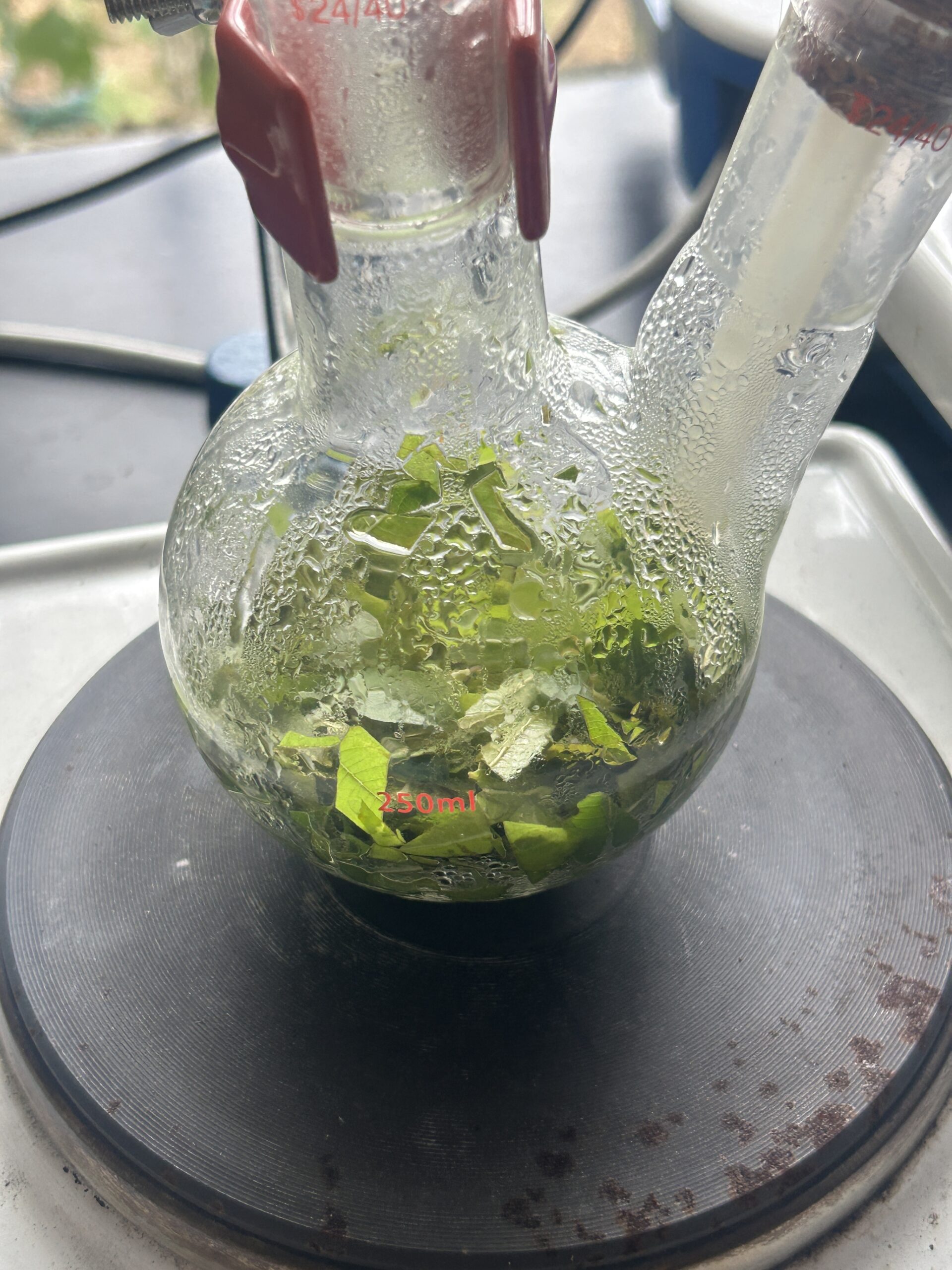
During the workshop we carried out 3 main processes:
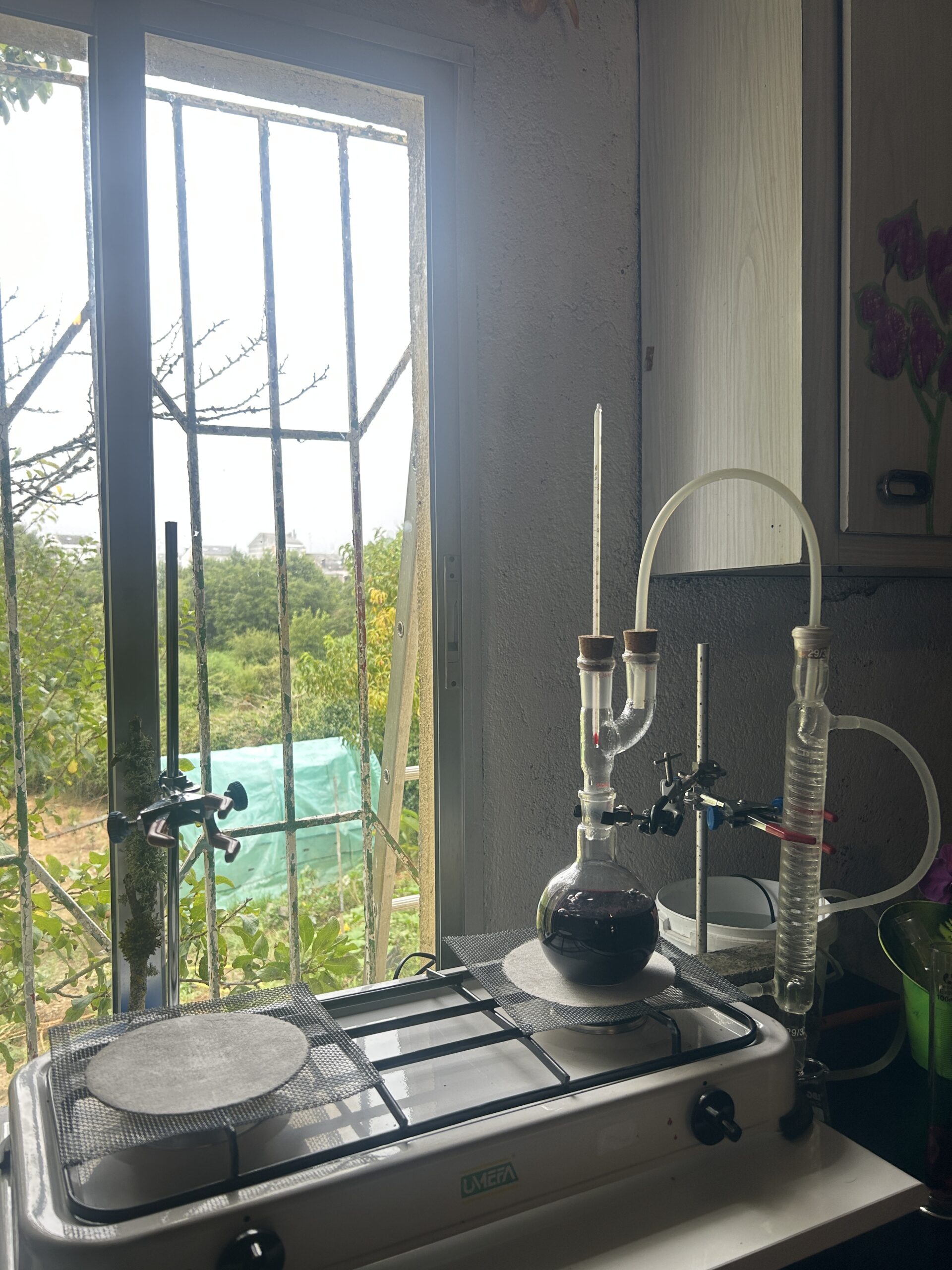
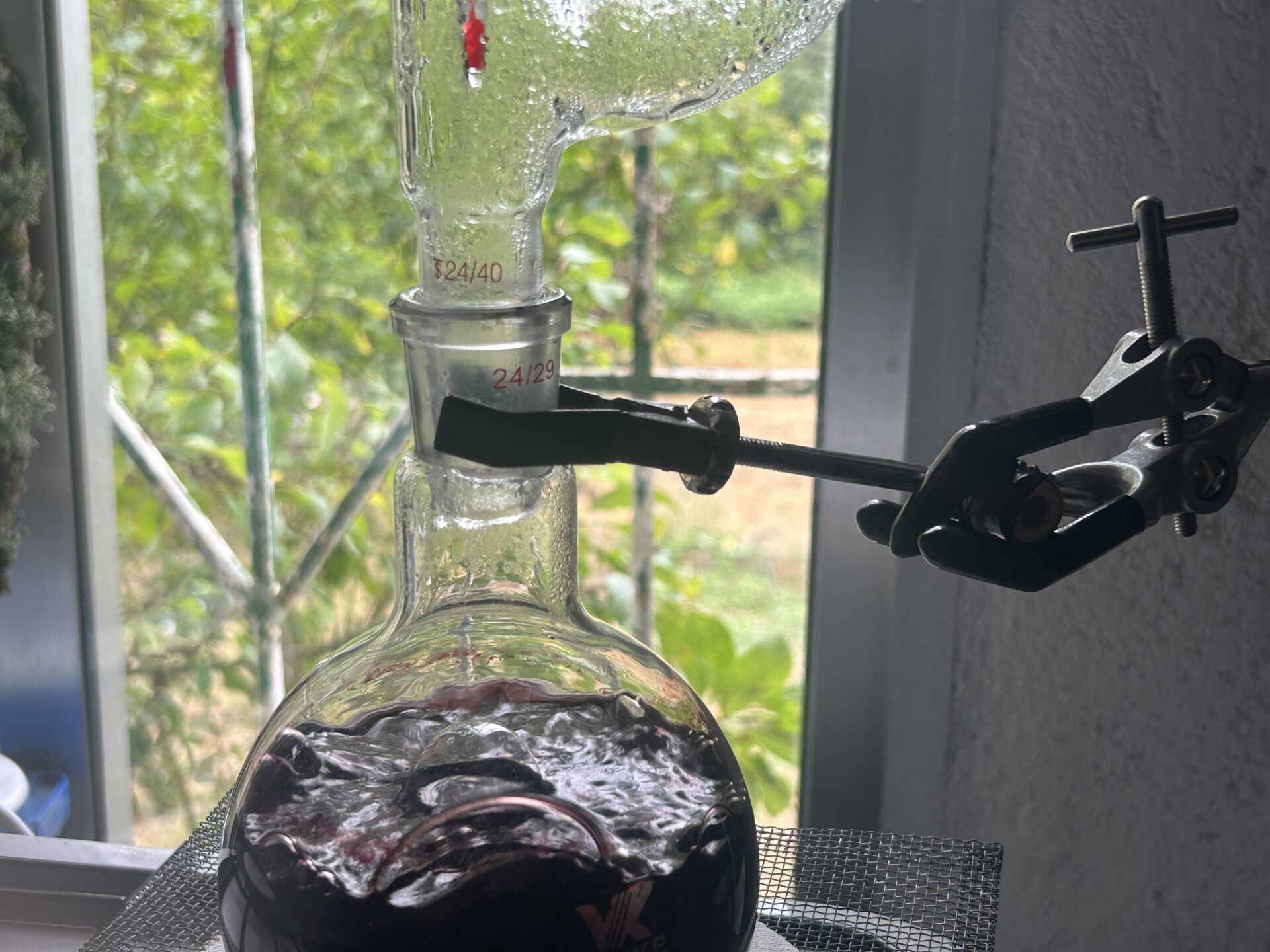
COIL DISTILLATION OF THE RED WINE
Distillation is a method used to purify organic liquid compounds. the apparatus has two
component that allow the liquids to be separated: a fractionating column and condenser. The fractionating column is used to allow the vapours to cool, condense, and vaporize again. The purpose of the condenser is to take the vaporized liquid and condense it back into a liquid.
The purpose of the lab is to show how fractionating distillation works with red wine, which is made mainly of water and ethanol. It was slow to start…The temperature of the vapor increased from 20 ºC to 75 ºC extremely quickly. The wine to ensure even boiling and reduce bumping a distillation rate of 1 drop per second, you’ll need to adjust the temperature.
Once the boiling point was reach for ethanol (76-78ºC), clear liquid began to drop into the graduated cylinder.
SOXHLET EXTRACTION
Soxhlet extraction is a type of atmospheric liquid extraction that uses solvents at boiling
temperature and low pressure (ambient pressure) to selectively extract compounds of interest.
In our case, we extracted essential oil from different plants. Explanation of the apparatus and how it works:
A Soxhlet extractor has three main sections: a percolator (boiler and reflux) that circulates the solvent, a thimble (usually made of thick filter paper) that retains the solid to be extracted, and a siphon mechanism that periodically empties the thimble.
The most used solvent for extracting edible oils from plants is hexane. However, other solvents are also used, such as acid water, ethanol, methanol, isopropanol, cyclohexane, toluene, xylene, petroleum ether, ethyl ether, isopropyl ether, ethyl acetate, ethyl acetate, isopropyl ether, ethyl acetate, isopropyl ether, ethyl acetate, isopropyl ether, ethyl acetate, isopropyl ether, ethyl acetate, acetone, Chloroform; chlorates and benzene are not used due to their health risks.
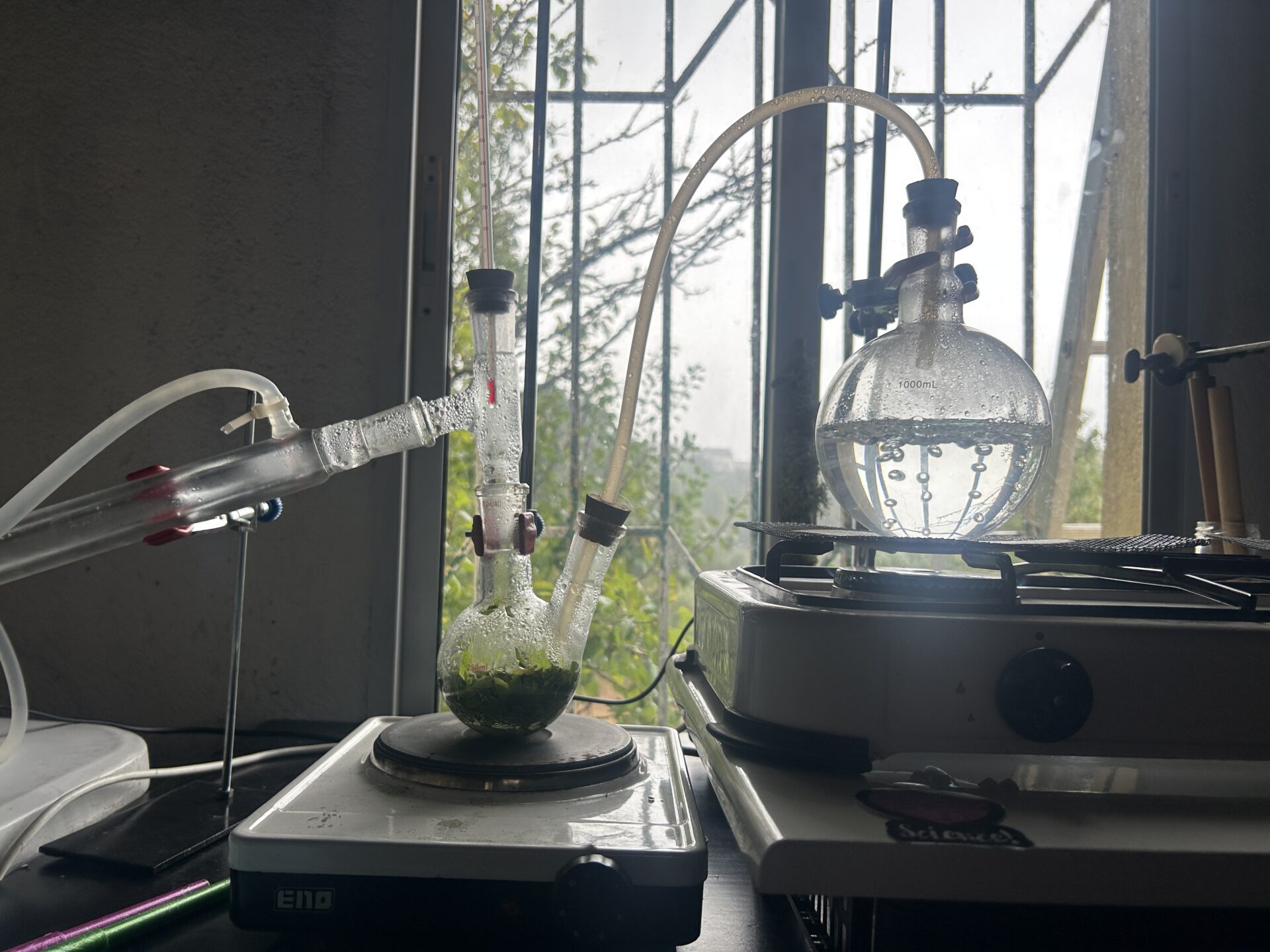
STEAM DISTILLATION
Steam distillation is a simple distillation technique in which the vaporisation of a mixture is achieved either by continuously blowing steam through a mixture or by boiling water and sample together. Steam distillation is a separation process in which water is distilled together with other volatile and non-volatile components. The steam from the boiling water carries the vapor of the volatiles to a condenser; both are cooled and returned to the liquid or solid state, while the non volatile residues remain in the boiling vessel.
If, as is usually the case, the volatiles are not miscible with water, they will spontaneously form a distinct phase after condensation, allowing them to be separated by decantation or with a separating funnel.

2.1. Microbiology workshop August 20th 2023.
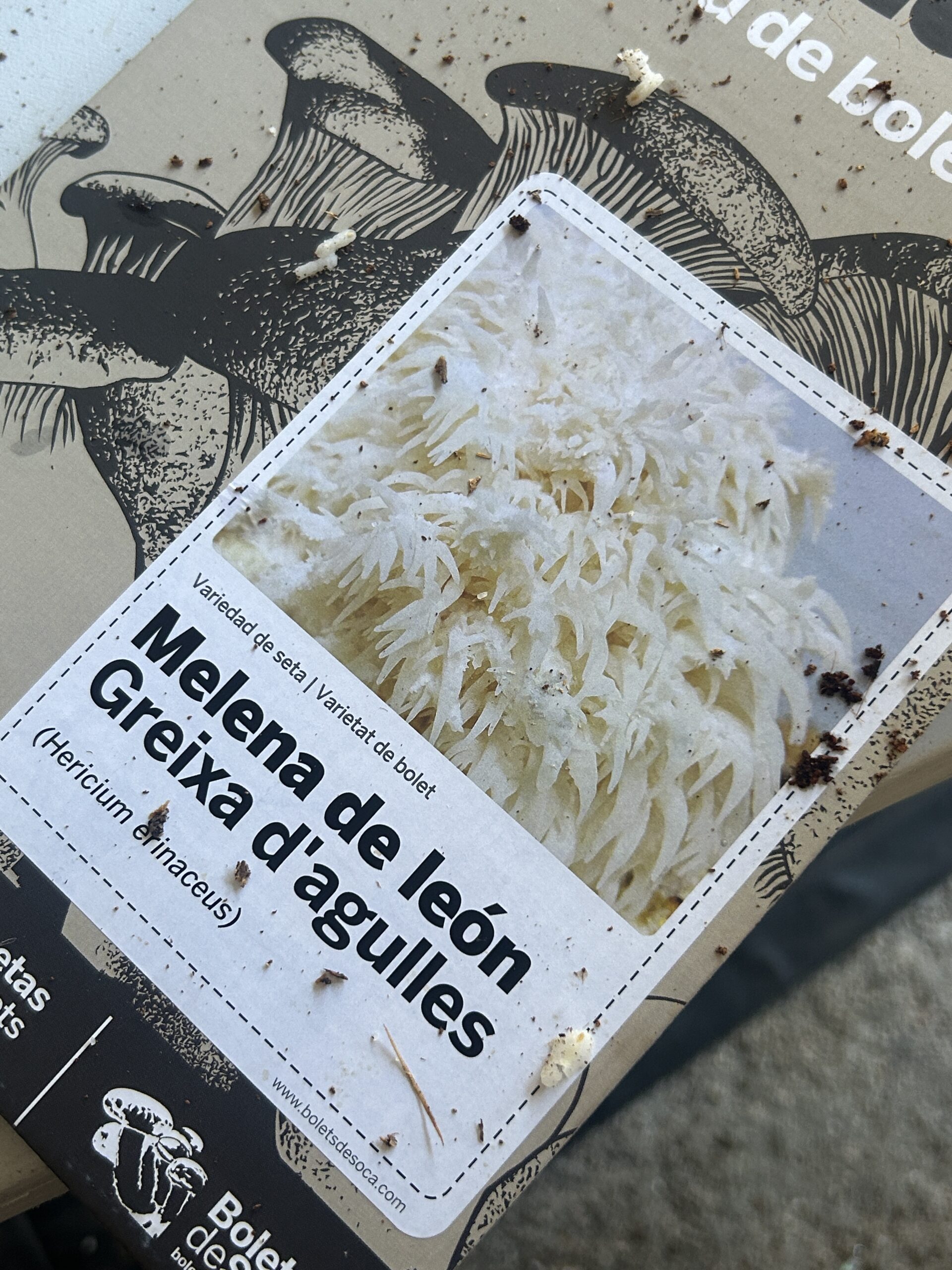
MYWO ( mycology with others )
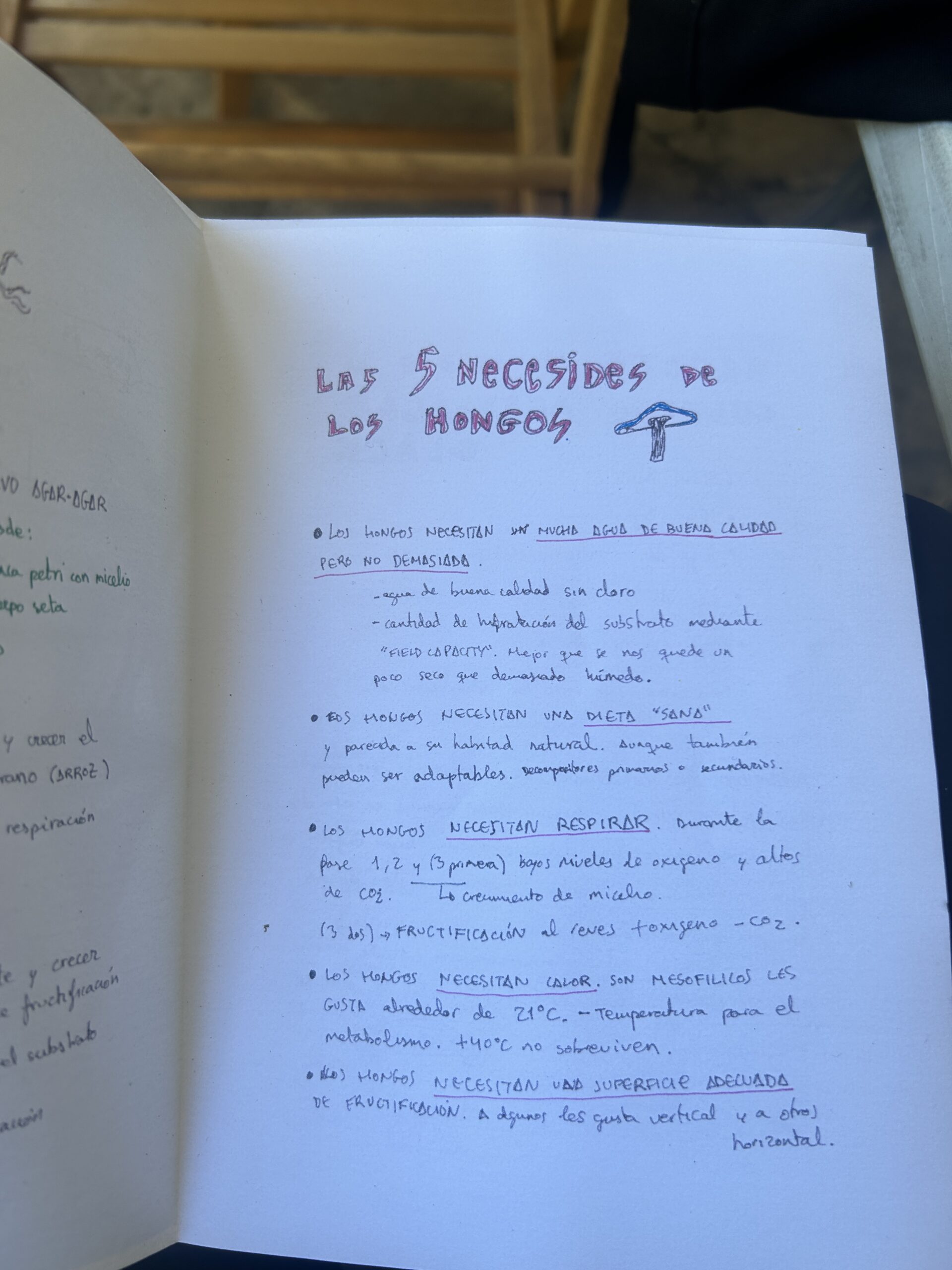
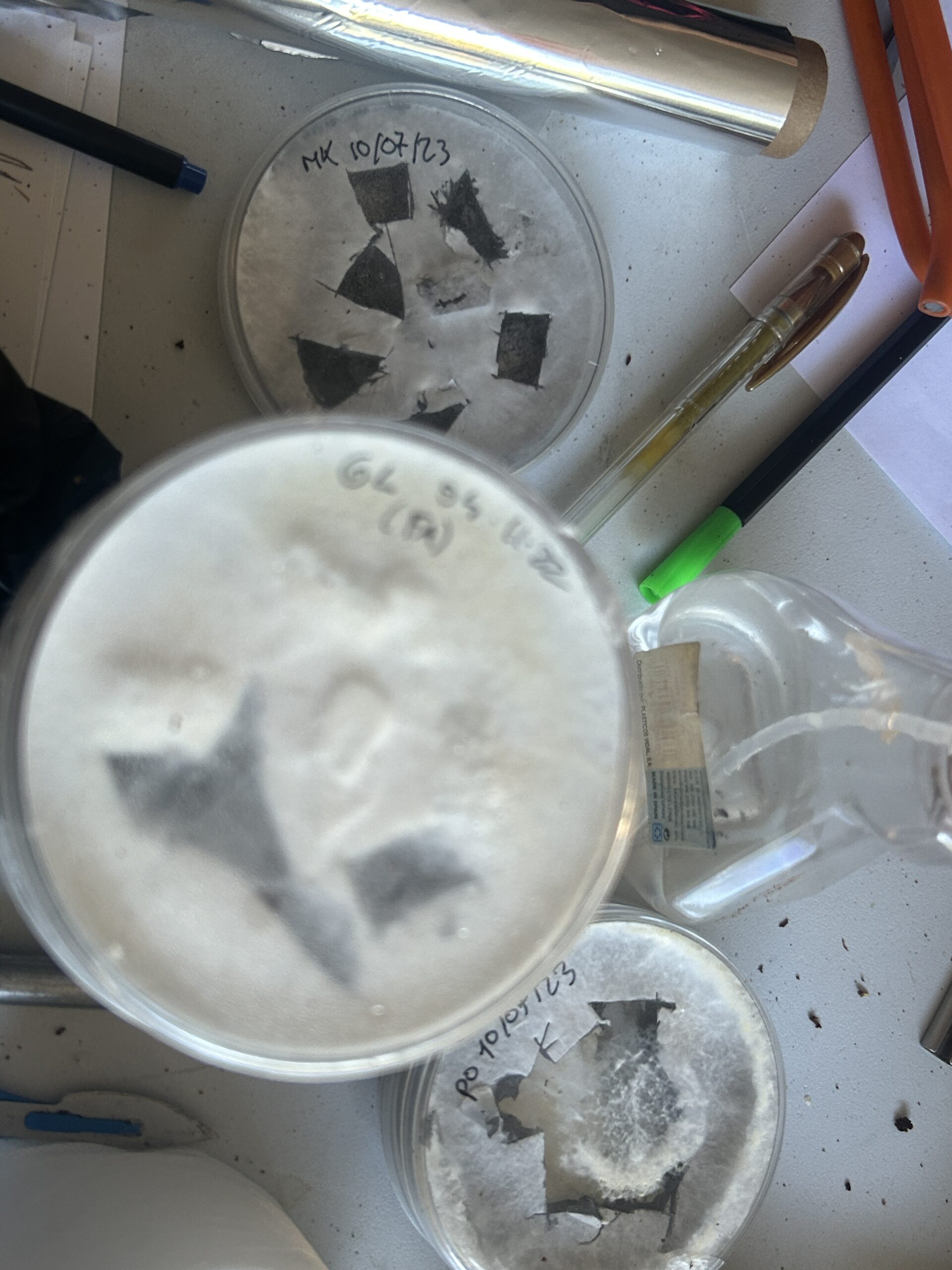
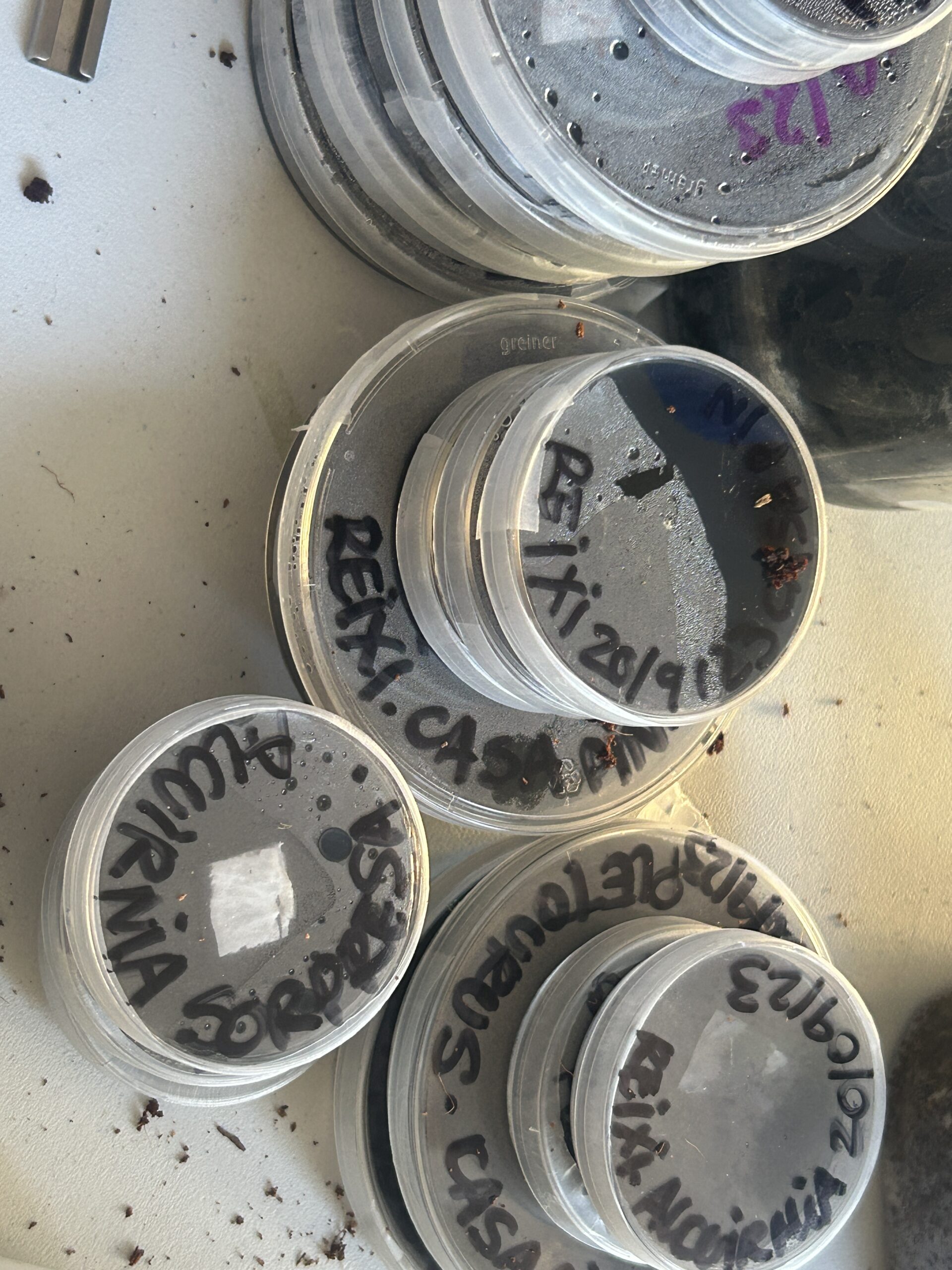
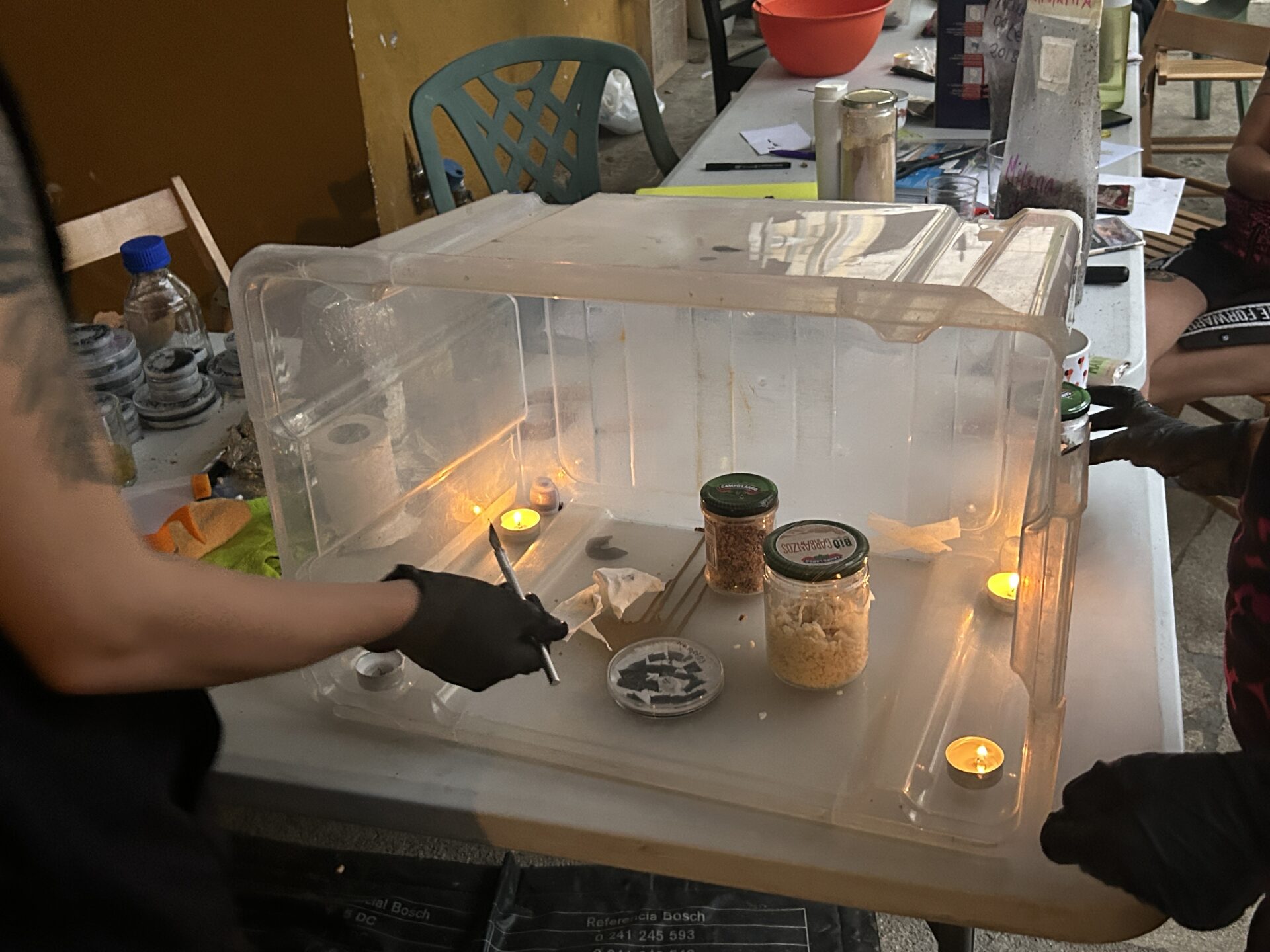
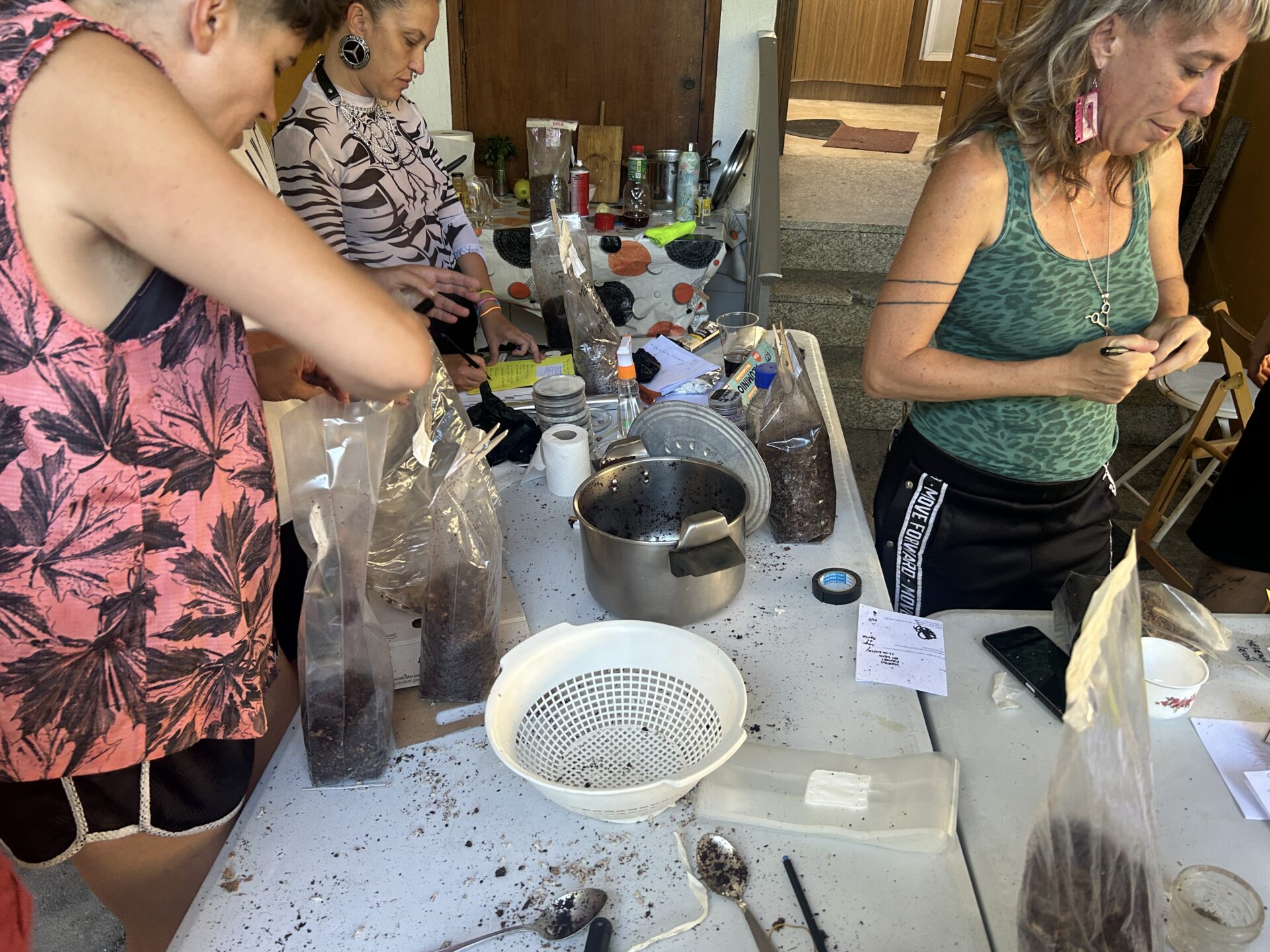
At 12:00 we start with MYWO [Mycology with others] workshop, a theoretical-practical workshop on radical and experimental mycology, designed by the Chaos Fumgorum node (Oscar Martín and Marzia Matarese) of the EEEMEEE network. The workshop covers different DIY and DIWO cultivation practices, such as mycelium cloning techniques in agar petri plates and reproduction in grain substrate for mushroom fruiting. We share recipes, stories and experiences developed in the Chaos Fumgorum node of the eemeemee network and closed the workshop with an MLF
(mycelium liberation front) action.
MYWO https://noconventions.mobi/noish/hotglue/?MYWO
Theoretical and practical workshop on radical and experimental mycology that covers different DIY and DIWO cultivation practices, such as mycelium cloning techniques in agar petri dishes and propagation on grain substrate for mushroom fruiting. We shared recipes, stories and experiences developed in the Chaos Fumgorum node of the eemeemee network and concluded the workshop with an MLF (Mycelium Liberation Front) action.
Phase 1 – Incubation.
Introduction to the mycological practices and experiments of the eemeemee observatory node (enclave mycopirata mutant). Culture techniques on agar plates.
Reproduction of mycelium by cloning from the fungal body and from the mycelium.
Phase 2 – Growth and adaptation to the environment. Culture techniques on cereal substrate, transfer of mycelium on agar to cereal spawn pots and to fruiting substrate. Collective reading of mycological texts.
Phase 3 – Contamination and coexistence. Symbiosis: food, medicinal and psychedelic autonomy, self-experimentation. Microscope session, drawing and tattooing.
Phase 4 – Emancipation. Action of the Mycelium Liberation Front. Workshop designed by the Chaos Fumgorum node (Oscar Martin and Marzia Matarese) of the EEMEEMEE network.
Workshop designed by the Chaos Fumgorum node (Oscar Martín and Marzia Matarese) of the EEMEEMEE network.
The aim of EEMEEMEE [Enclave Micopirata Mutante] is to maintain a community network for sharing processes and knowledge generated around DIWO mycology. This documentation space aims to be a channel for the dissemination of experiences that each of the participants in the network carries out on their own and collectively, in the field of mycology and mushroom cultivation, both for food sovereignty purposes and for the development of tools for the bioremediation of the territory or for the discussion of ecological and interspecific relationships and hierarchies.
3. Bio-autonomy Materials
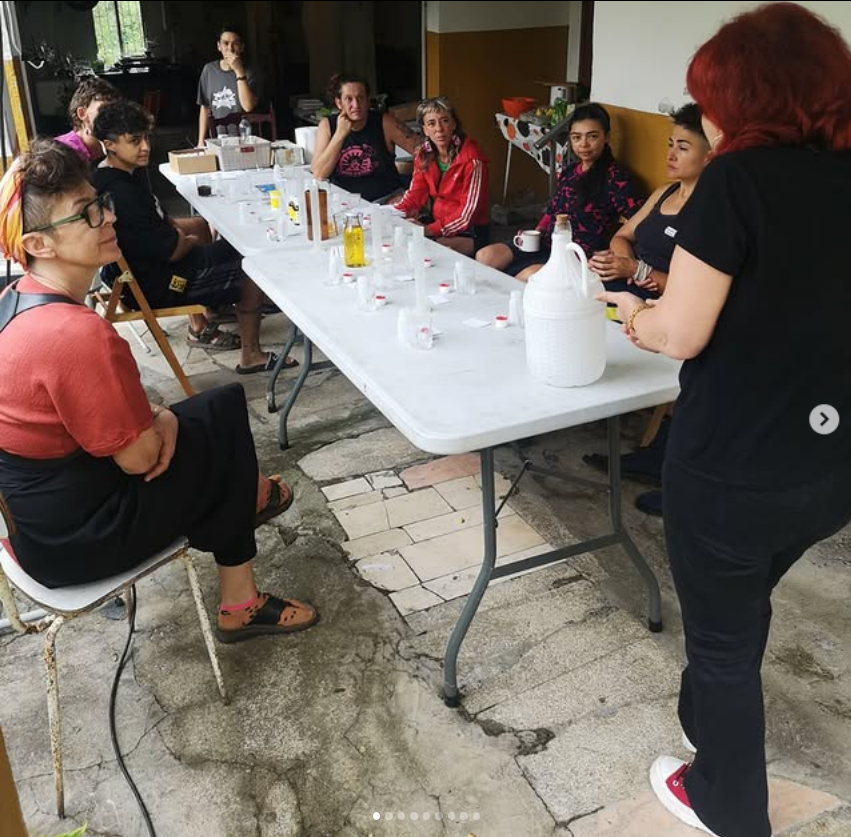
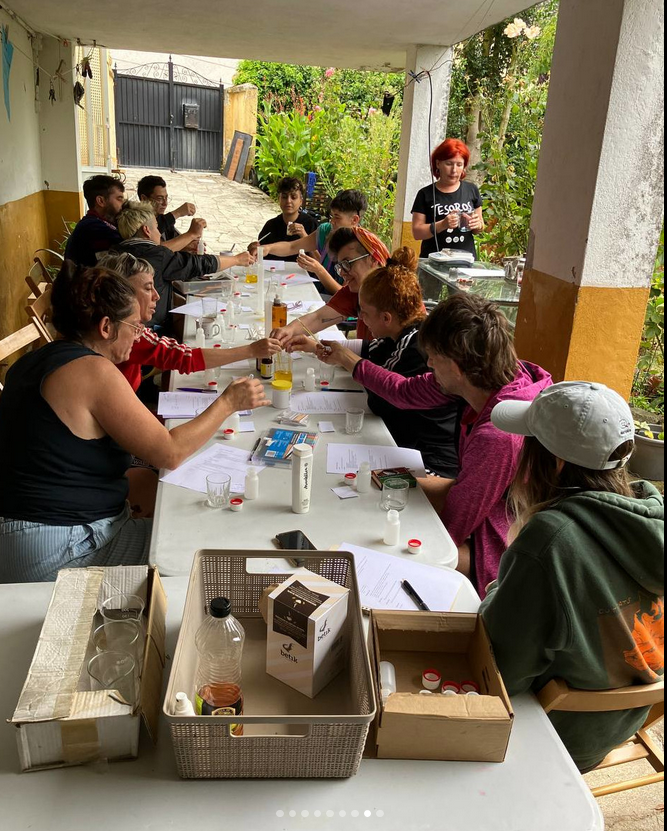
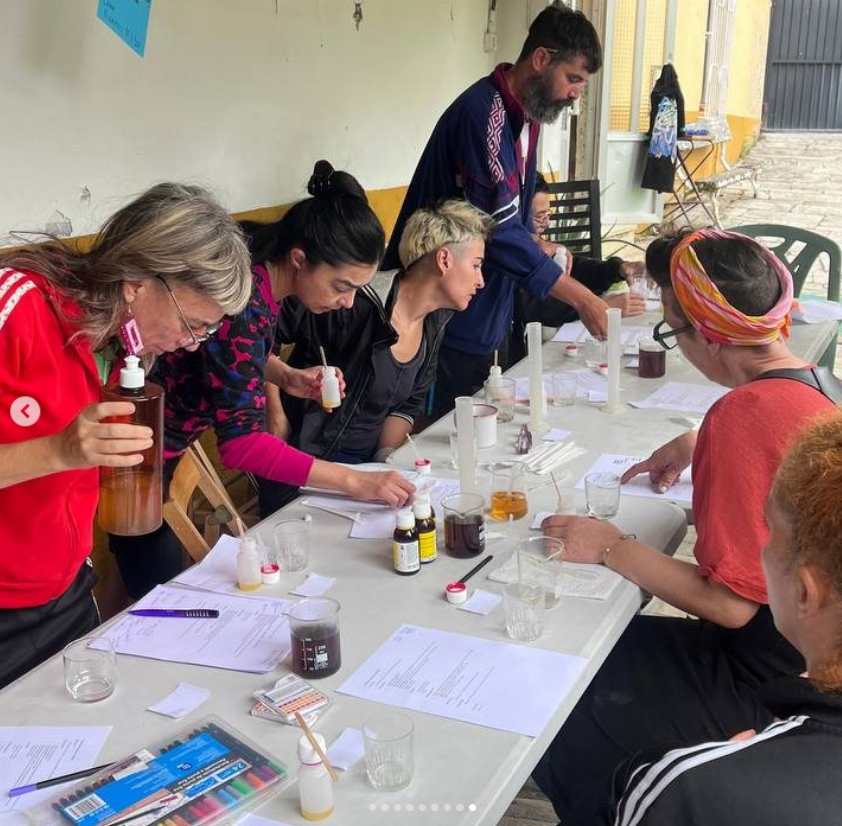
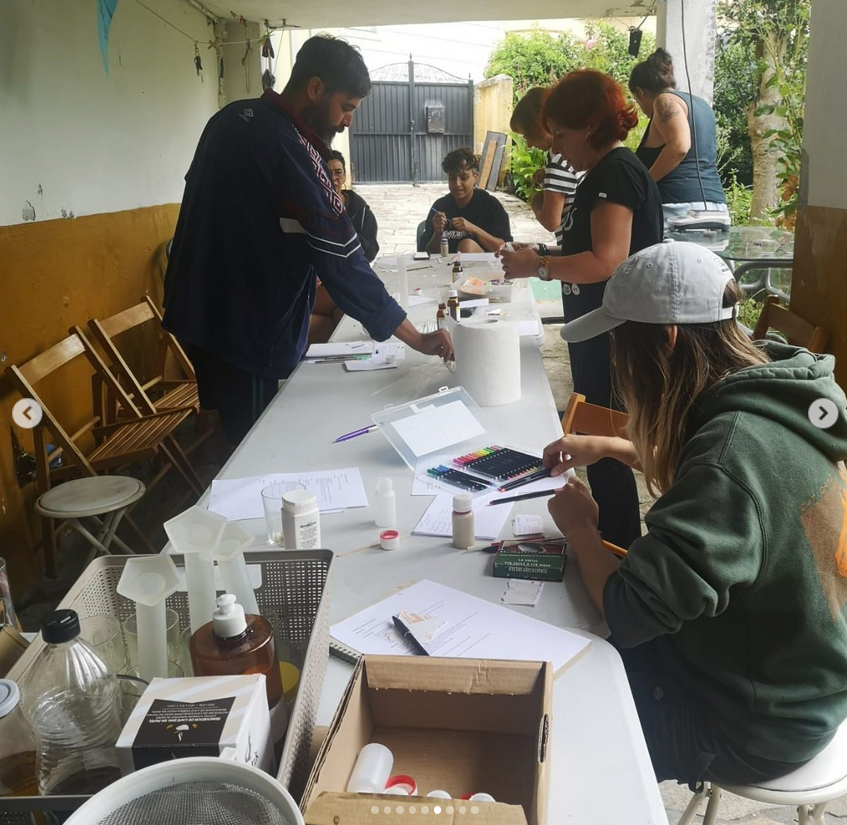
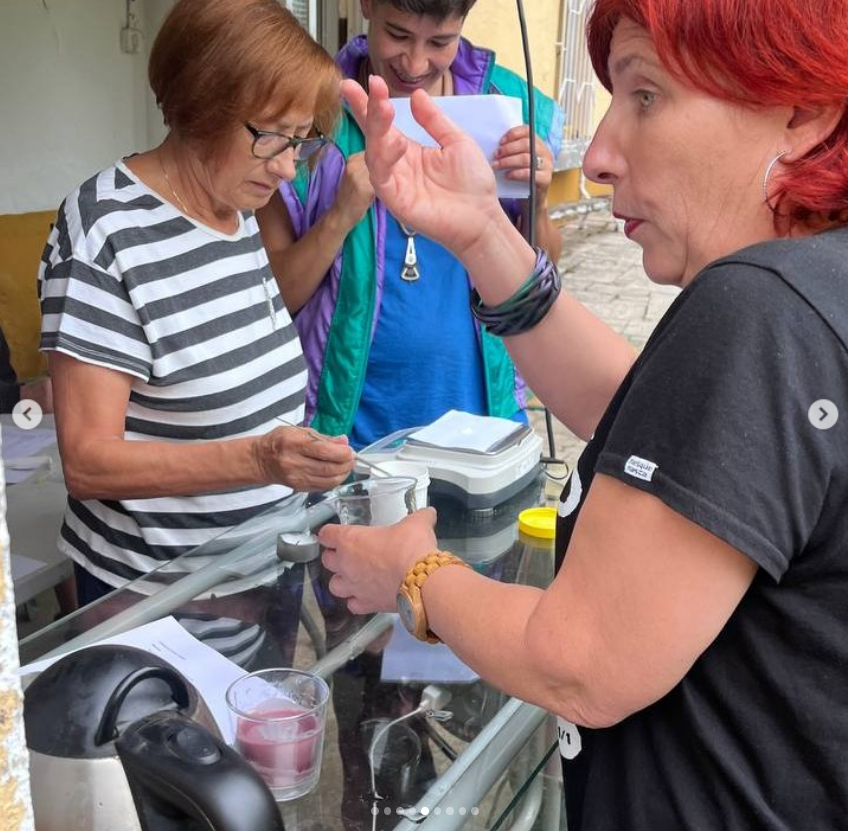
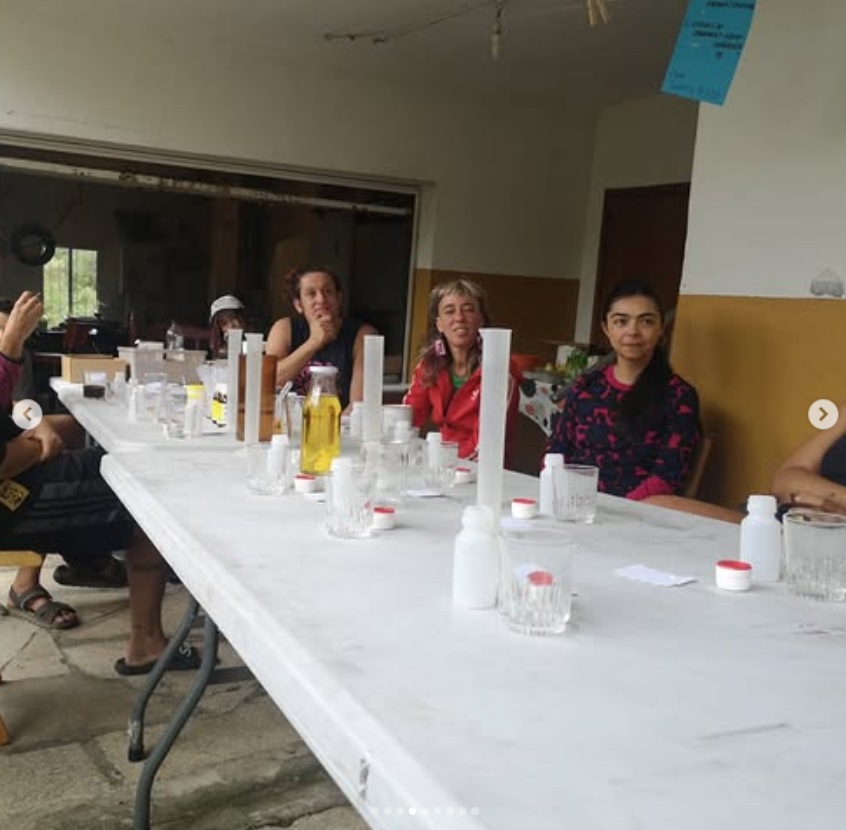
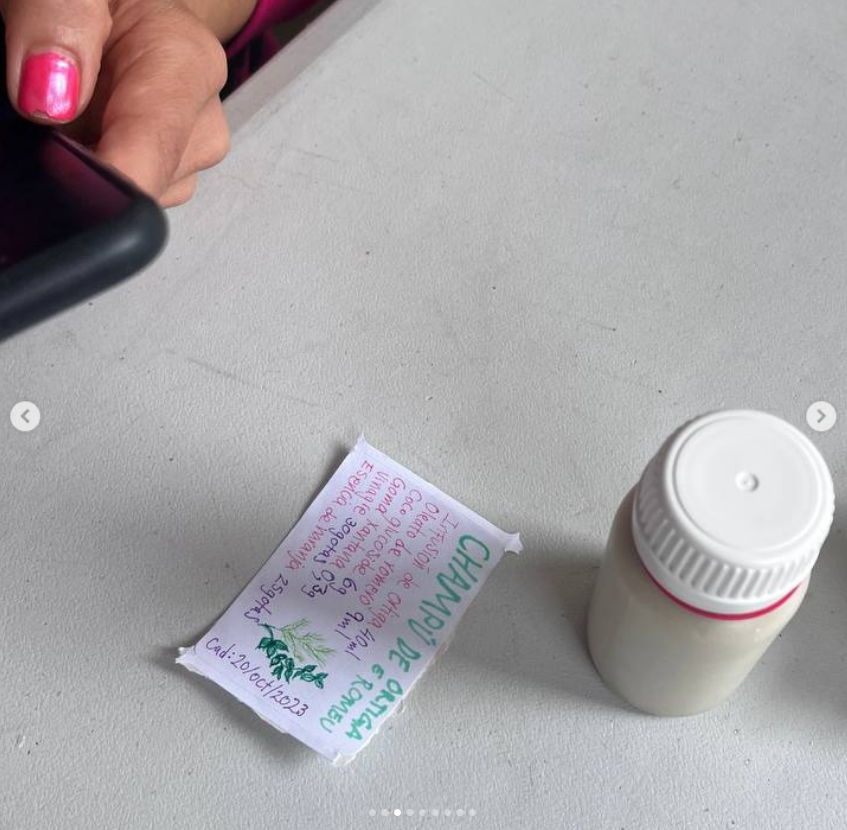
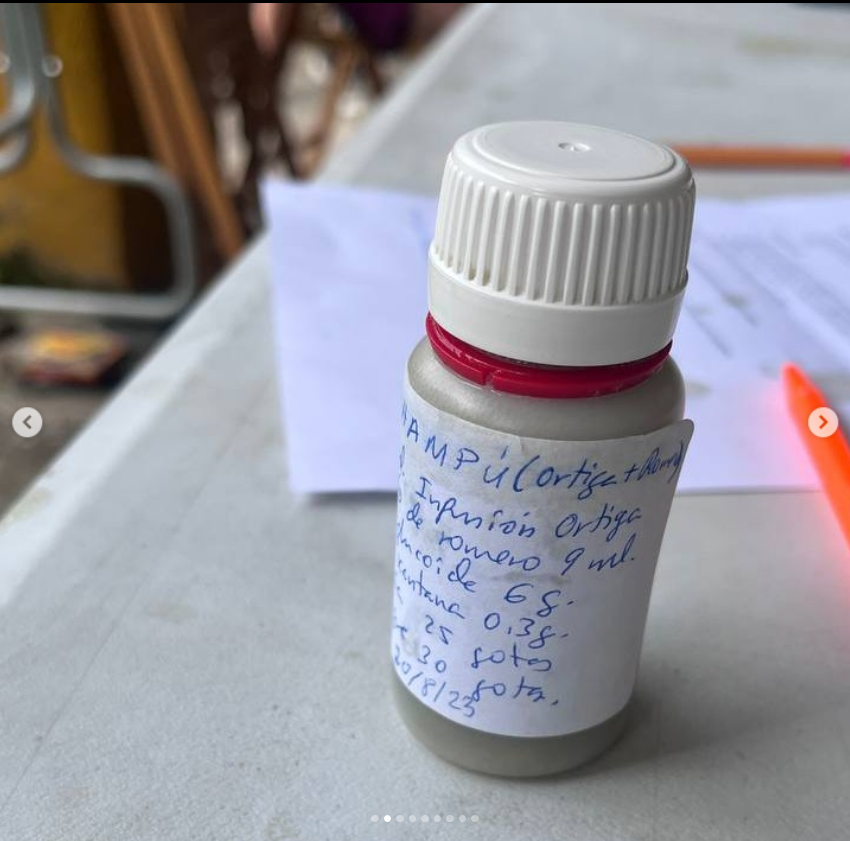
3.1 Making Shampoo from permaculture approach.
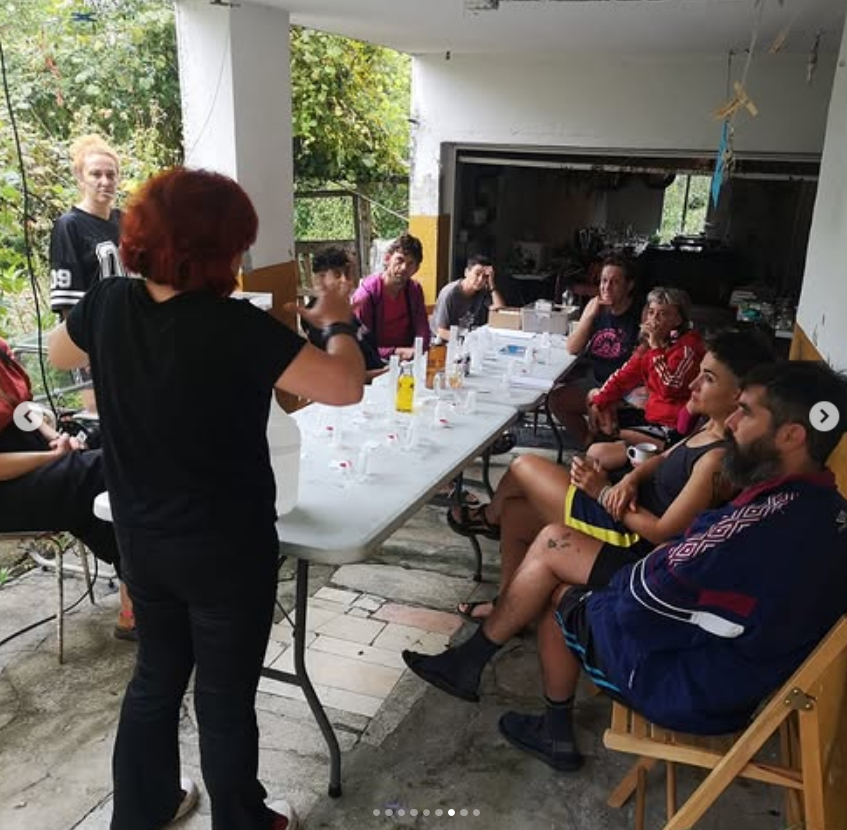
This workshop was implemented by Chusa from Muuhlloa, at the BioArt Lab Lugo, on August 20th 2023 and taking part of the Alcuirmia weekend. Make your own Shampoo was a workshop held by Chusa from https://www.muuhlloa.com
4. Sustainable BioArt & BioHacking Hackathon.
Microscopy, Biodiversity and Biomaterials.
The Hackathon on Restorative Practices was designed to be a full immersive weekend of workshops, presentations and talks. The main areas of experimentation were biodiversity, bioplastics and microscopy. A process-oriented exhibition will follow the programme to share the results of the Hackathon and other processes that took place in rural and peripheral areas during the two-year project in Lugo and A Coruña.
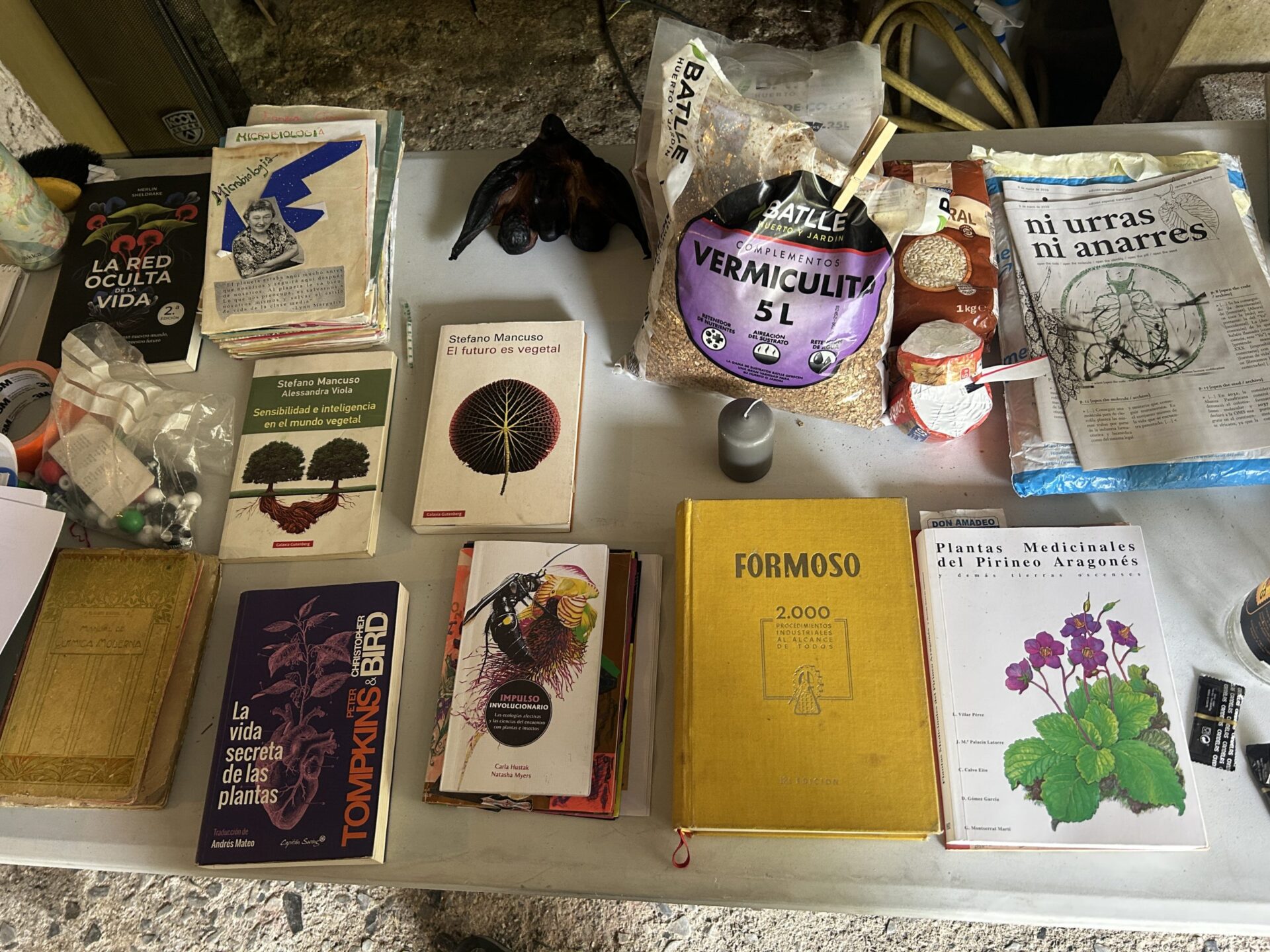
We started the process of setting up the lab with fashion designer Tina Cortón from Lugo. With Tina we were taking care of a Scoby culture that we were sharing, to start to think about sustainable fashion design and sculptures with kombucha leather. This aside, Tina was already getting in contact with a biologist and together they were developing their own waterproof alginate clothing, which formed part of the experiments we carried out during the Hackathon.
Then Miranda Moss and Urs Gaudenz, two transdisciplinary hackers, arrived. They were very grateful to have had the opportunity to visit Lugo and work as part of the Restorative Practices Project with local people. They were settled at the residency space that the BioArtlab provides with a lovely and well-equipped lab, situated in the green and blooming surroundings.
We immediately started exploring the local biodiversity in the ecosystems to get inspired by natural materials for the upcoming work on bioplastics. Once they had installed themselves – and the equipment and material they brought along – at the residency space, some ideas were discussed about alternative and regenerative energy. Urs was inspired from the Viktor Schauberger “ The energy evolution “ book from the library, and he maked a replica of a body-looking feminist-inspired uterus-shaped pump and started 3D printing right away. This could eventually be developed into a micro water turbine to create electricity. Miranda built great-sounding speakers from naturally grown and dried calabash fruits as resonant bodies, taking care to keep and distribute the seeds to others to grow their own speakers.
In the following days, we installed a temporary kitchen lab and started processing natural ingredients and plants to find and refine recipes for bioplastics. Learning that some of the first textiles in Europe were produced from stinging nettle, we extracted fibers from the now in-season nettles as reinforcement material. Thinking about regenerative and cyclical processes and systems, we also considered how the fermentation process used to extract the fiber would leave behind an incredible organic fertilizer and pesticide for agriculture, and so we were considering how to design systems of material manufacturing that could be resistive.
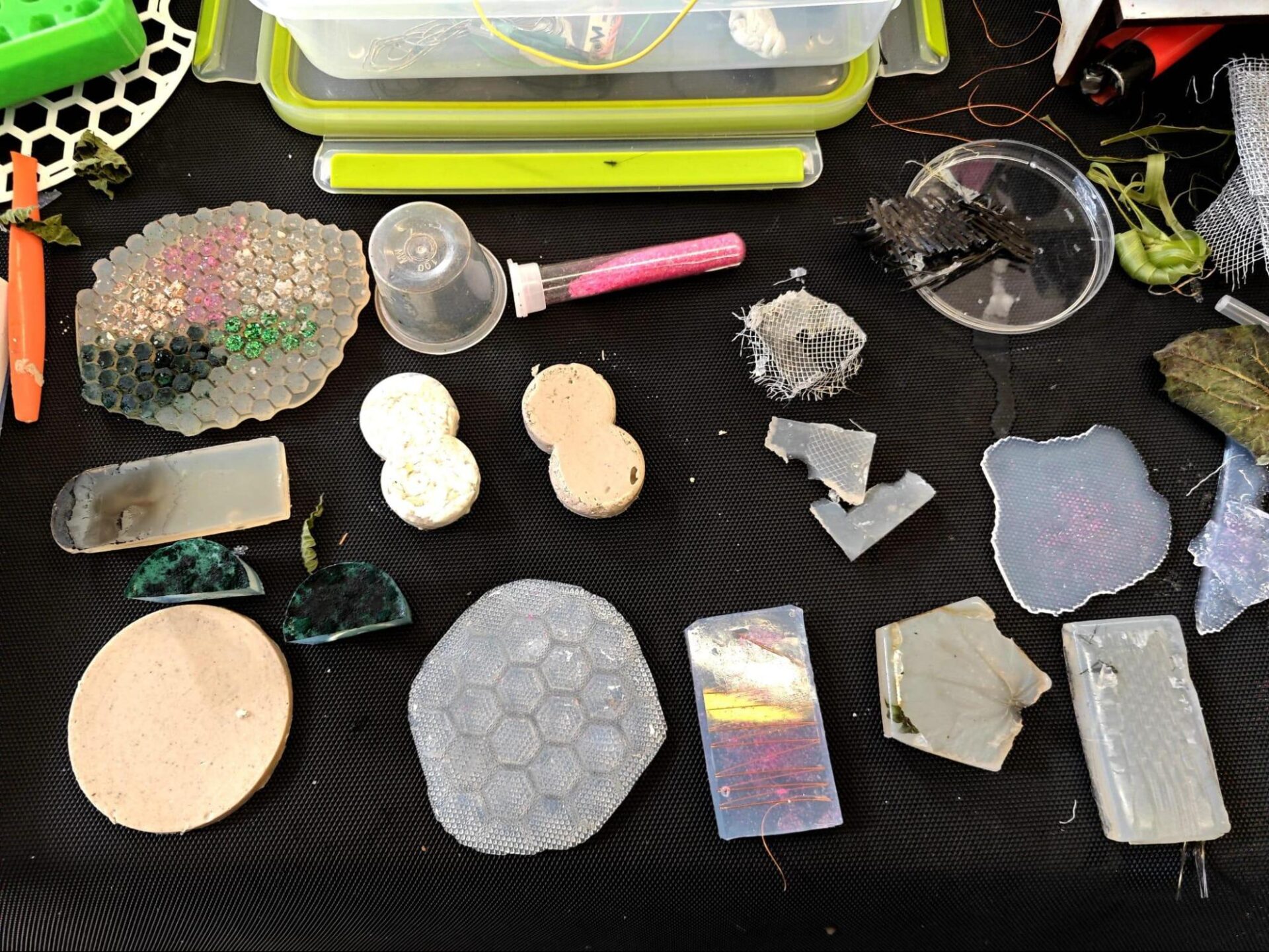
We experimented with starch, agar, ground shells, and nuts to prepare for the upcoming Hackathon, as well as fruit peels and other surplus materials from Lugo’s ecosystem.
The turbine developed in the context of Restorative Practices was presented and we performed measurements with a maximum power point measurement device that Urs and Miranda from Gaudi labs & Regenerative Energy Communities had developed together.
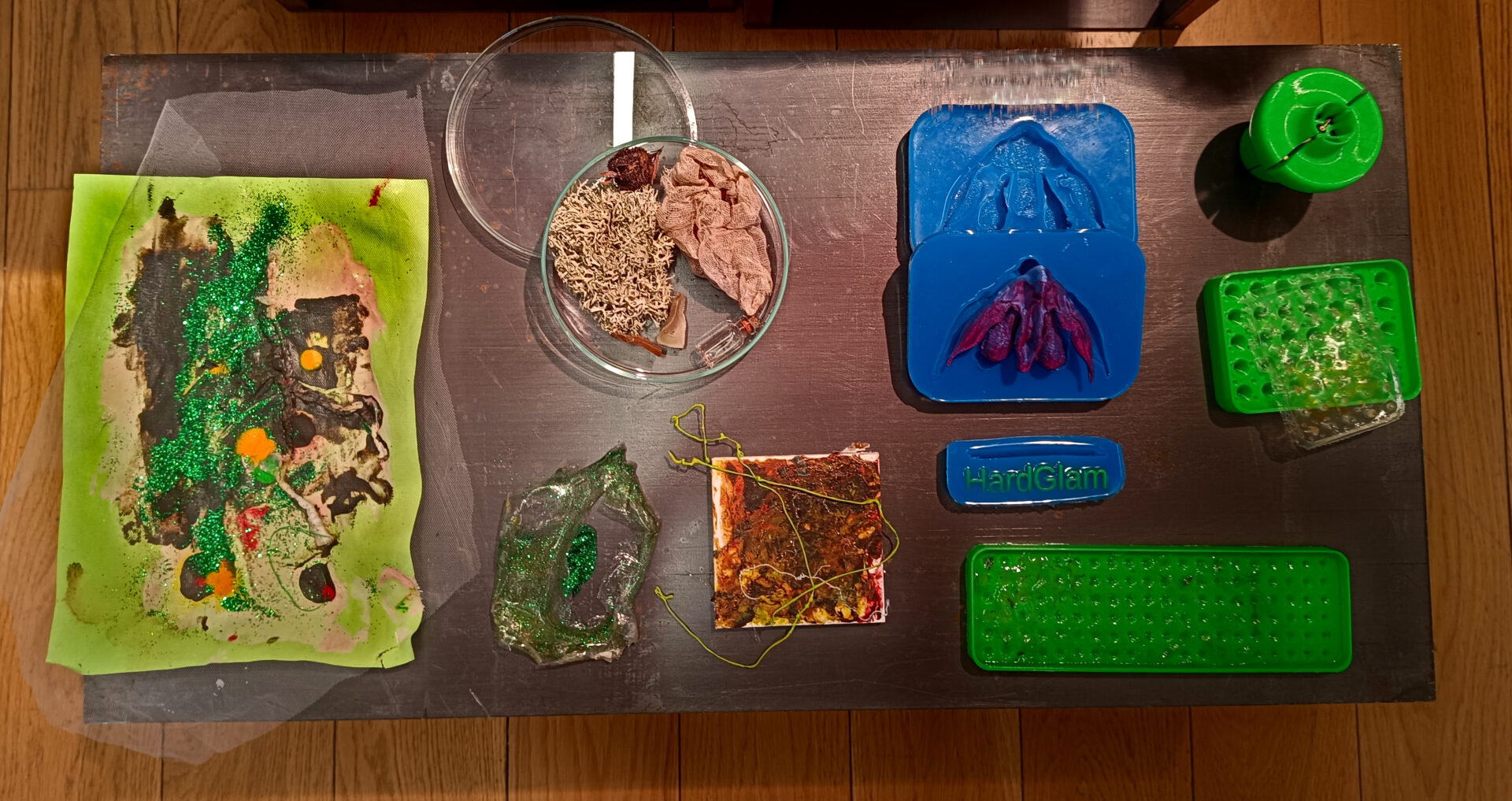
Time passed quickly, and soon we had to pack to prepare for the Hackathon laboratory set at O Vello Cárcere de Lugo, a cultural and social meeting place in the city of Lugo with more than 130 years of history. The wind turbine was the centerpiece of the exhibition that fit well into the context of the museum, and some of BioTranslab hardglam objects and queer fanzines gave it a good contrast into the modern.
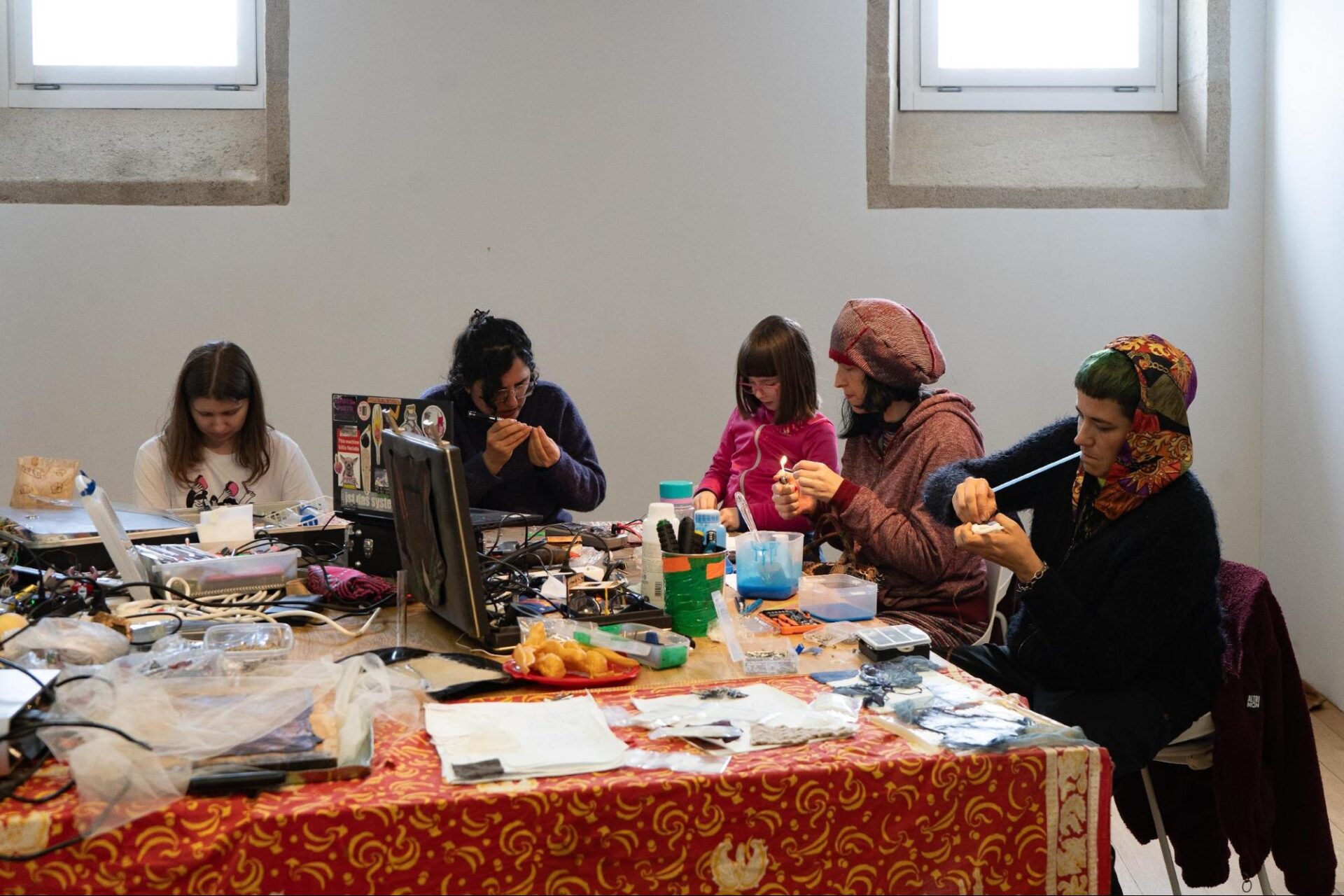
In a second room, a temporary lab was set up with simple kitchen materials and biomaterials collected in the days before. A big table was prepared to welcome participants and foster creative collaboration.
For two days, the hackathon brought together a diverse group of people with different interests and knowledge. On the other hand, we counted on the presence of fashion designer Tina Cortón, who was able to show the participants her dresses made of biomaterials extracted from algae (sodium alginate). From Tina’s hand we had the opportunity to meet Veronica, who works as a fabric analyst, and together we had the honour of being able to analyse in more detail what the fabrics made from natural components are and what they are made of.
Veronica gave a presentation showing the different fabrics that are analyzed in her department and we had a detailed explanation of the different details that are carried out during the analysis process.
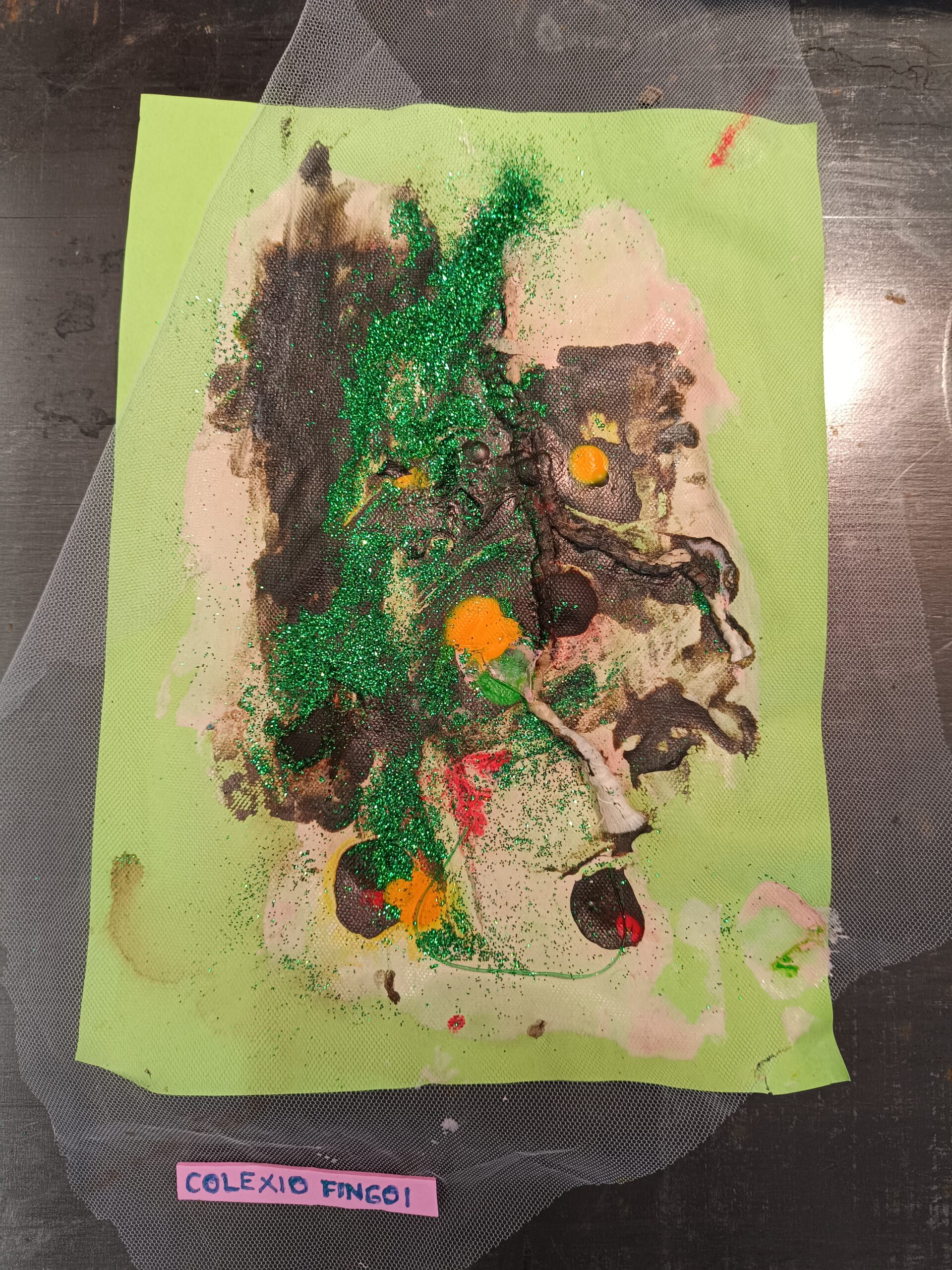
We then moved on to Workshop 01 on Biomaterials, led by the creator Tina Cortón from Lugo, where we were able to get in touch with her development of BioMaterial and the youngsters, with Tina’s help, made two canvases and other experiments that were tested in moulds and textures.
Those who joined were a very nice group of people, many with expertise in their own fields, and demonstrations and spontaneous sharing started immediately. Short presentations and initiating workshops set a creative and playful spirit. The cooking and experimenting started and did not stop for the entire two days. Many variations of protocols and different ways of casting and forming were tested. Miranda, Urs and Tina swapped some very insightful protocols, which inspired them in their respective fields of fashion design and bio-electronics. A veritable collection of new samples and wonderful creations emerged. Urs and Miranda, for instance, were interested in how to develop sustainable materials for electronics, and spent some time trying to cast hydrophobic nanostructures from the natural world, as well as casting bioplastics, along with salvaged copper wire, into forms that would give them electro-mechanical properties (i.e. soft robotics and energy harvesting applications). On the second day, the topic of Do-It-Yourself microscopy was added and allowed the investigation of plants and materials. Satisfied with what we had achieved, we had to leave on the third day, which was still ongoing, and we hope to come back soon.
Our approach to work with biodiversity and biomaterials was at follows:
If we know that transport (whether of a product, its parts or its packaging) contributes to the carbon footprint – not to mention the huge problem we currently have with the overabundance of plastic and its poor reintegration into natural cycles – wouldn’t it be better to create materials that are local, contextual and biodegradable?
There are the “cultivables” or GIY (grow it yourself), which grow in a substrate and take the shape of the form we give them. All we have to do is feed them and their lifecycle does the rest.then, when they take the desired shape, we stop their growth with heat or other processes and we are left with the structure. There are also the “Aglomerables” or CIY (cook it yourself), which are the result of a binder that we extract from natural sources, plus a filler, where we like to use some household or industrial waste that is abundant in the area and needs to be reincorporated into the production cycles.
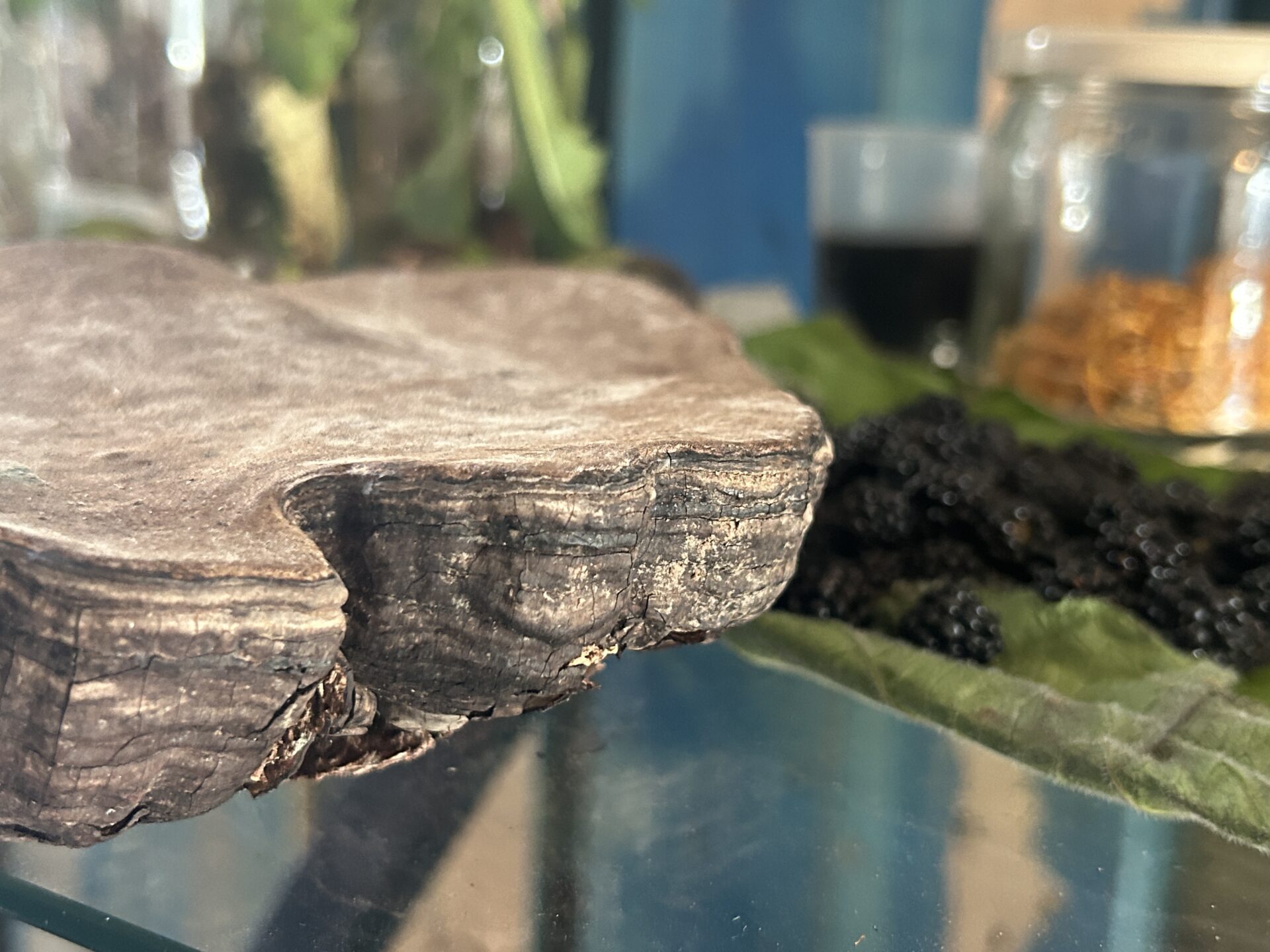
Examples of cultivable materials are mycelium (the vegetative apparatus of fungi) and scoby (a symbiotic culture of bacteria and yeast used to make kombucha).
Our favorite is the combination of alginate (a polysaccharide found in algal cells) with calcium carbonate (found in the shells of molluscs). When these materials are brought together, the chemical bonds combine in such a way that they change the composition of the original material, leaving a super-strong material.
In reality, our challenge is not to produce products, but to produce a catalogue that provides a standardized approach to the mechanical properties of the materials we create. This means that we are interested in describing, for example, what thickness can be achieved with such a biomaterial, how much tension it can withstand, how flexible it is, how resistant it is to compression, etc. Having said that, we are very aware of the importance of “doing something” with the materials we create.
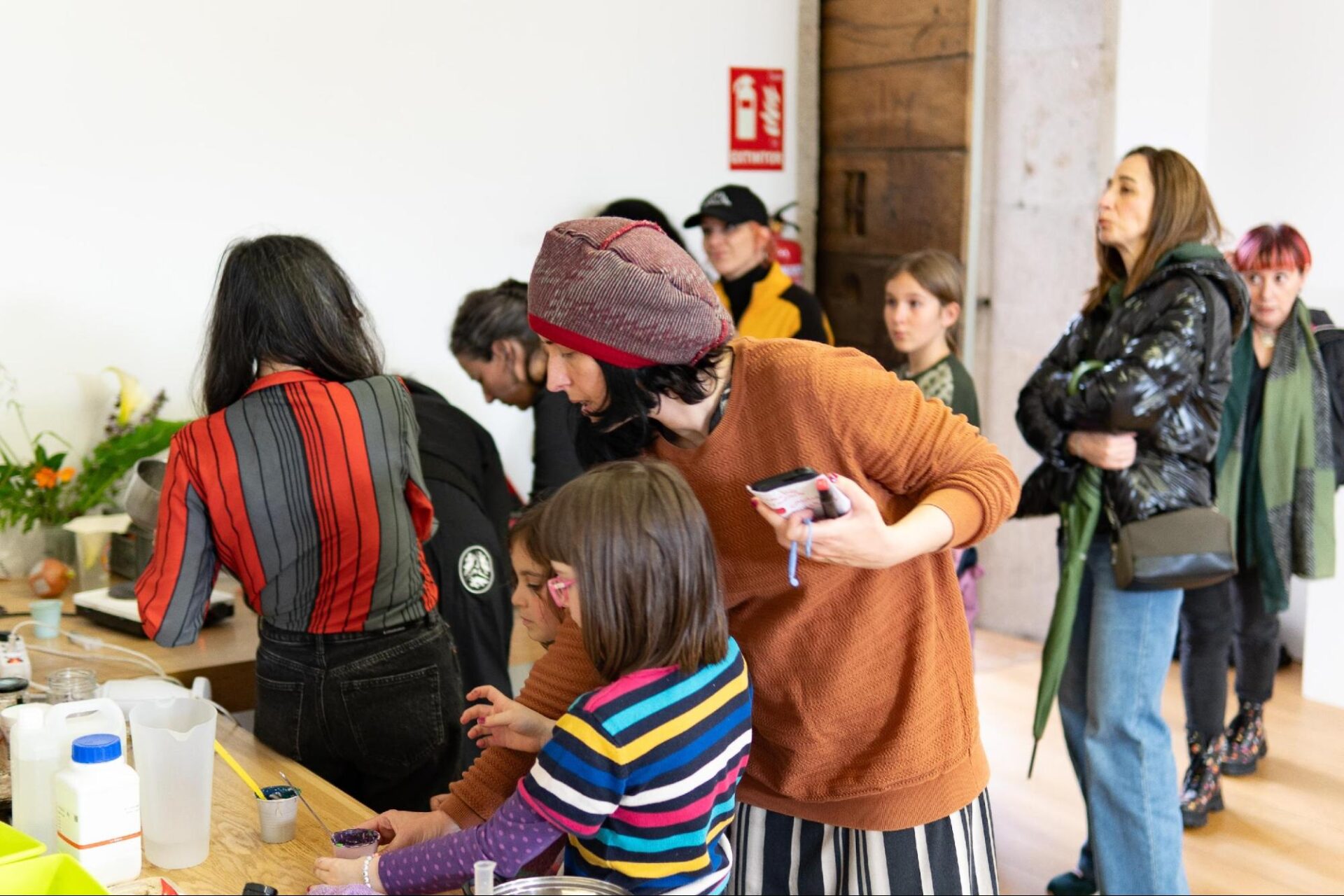
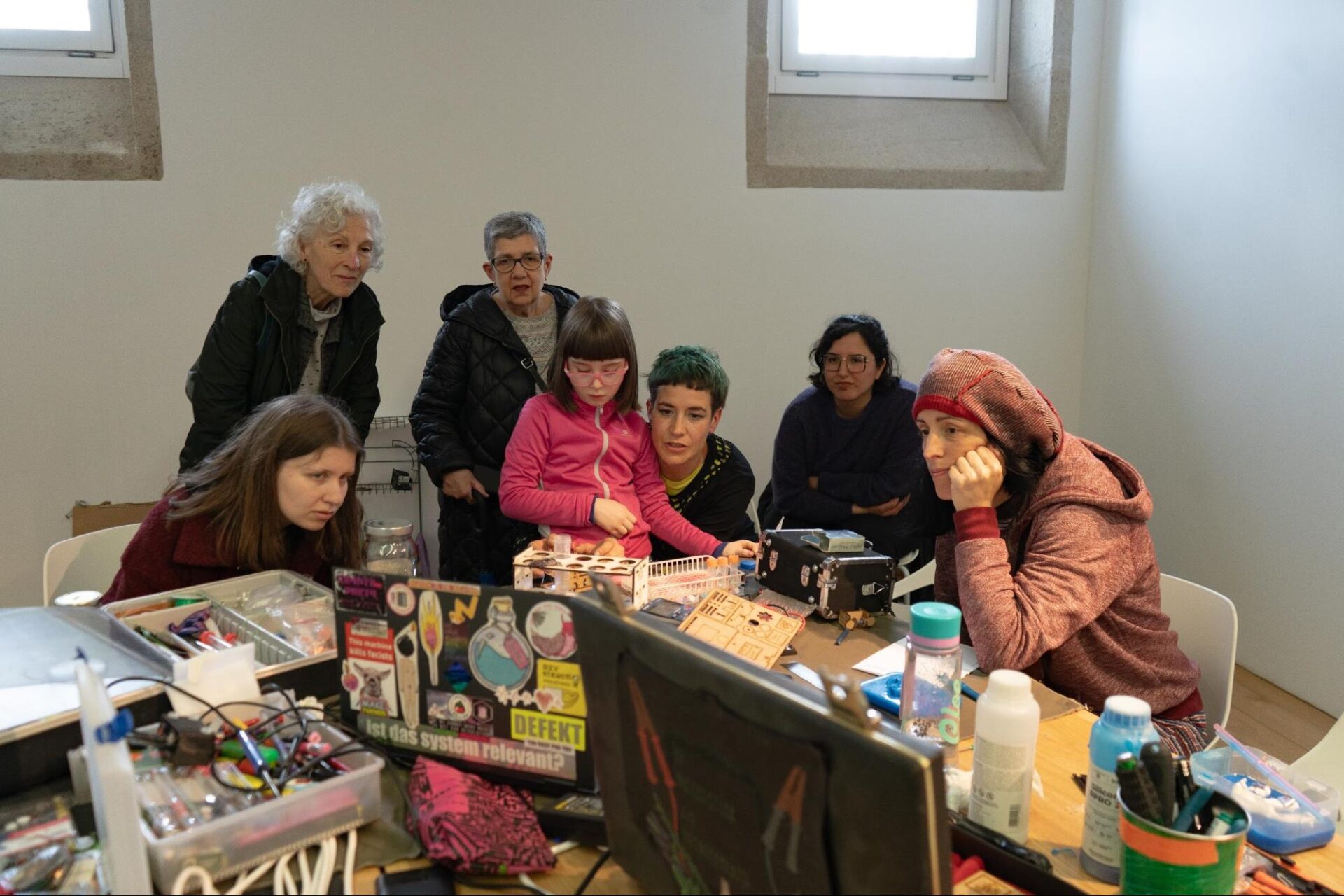
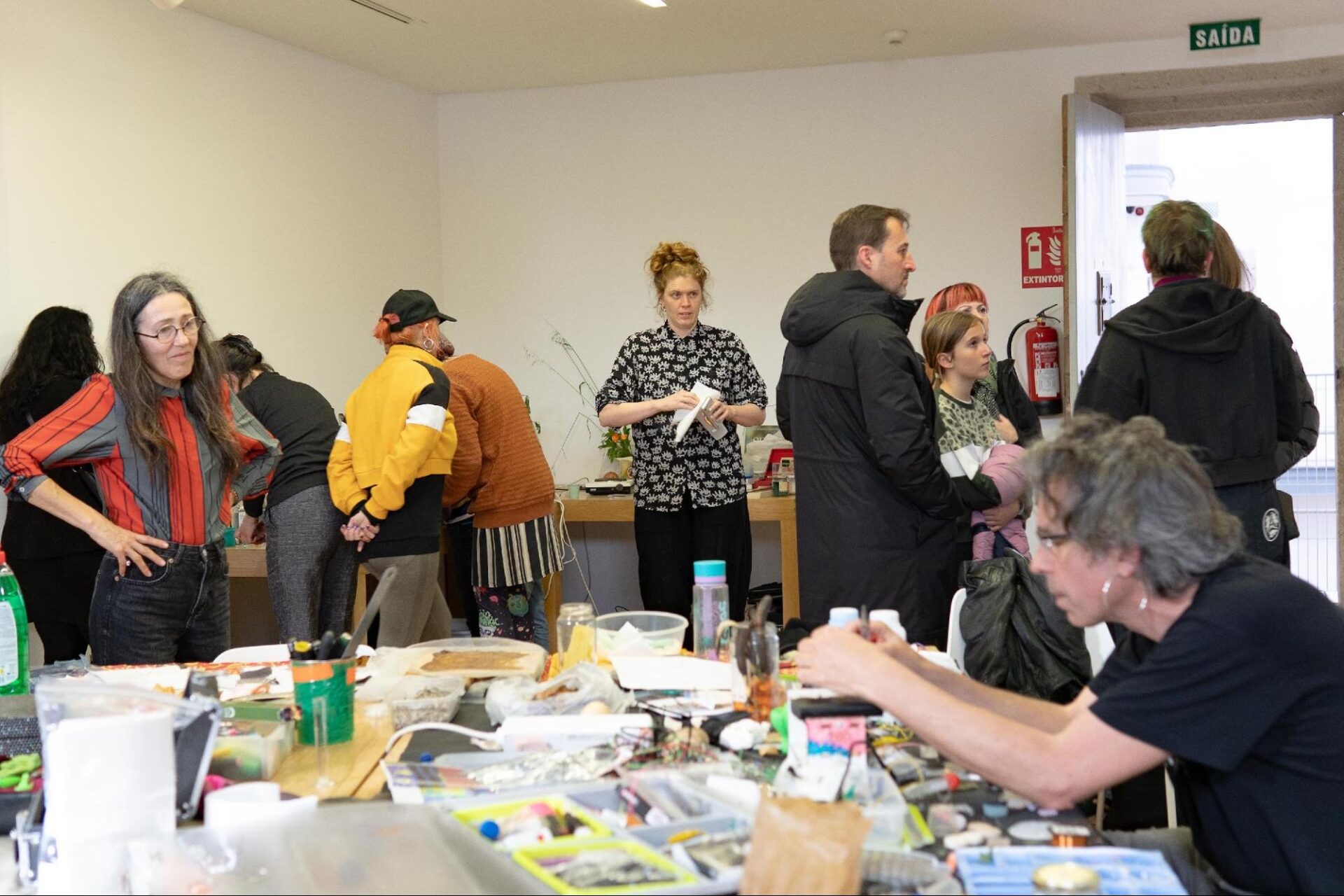
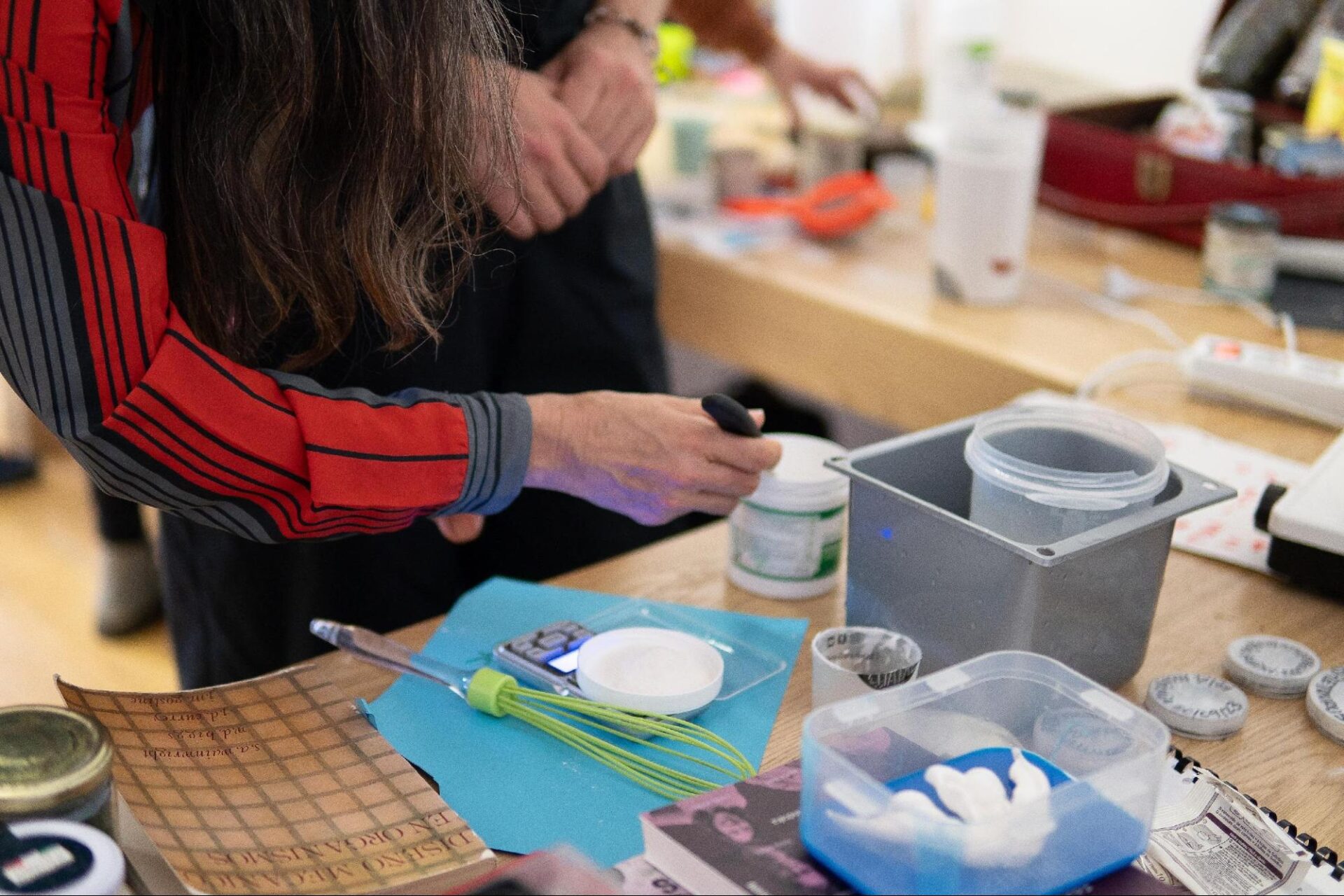
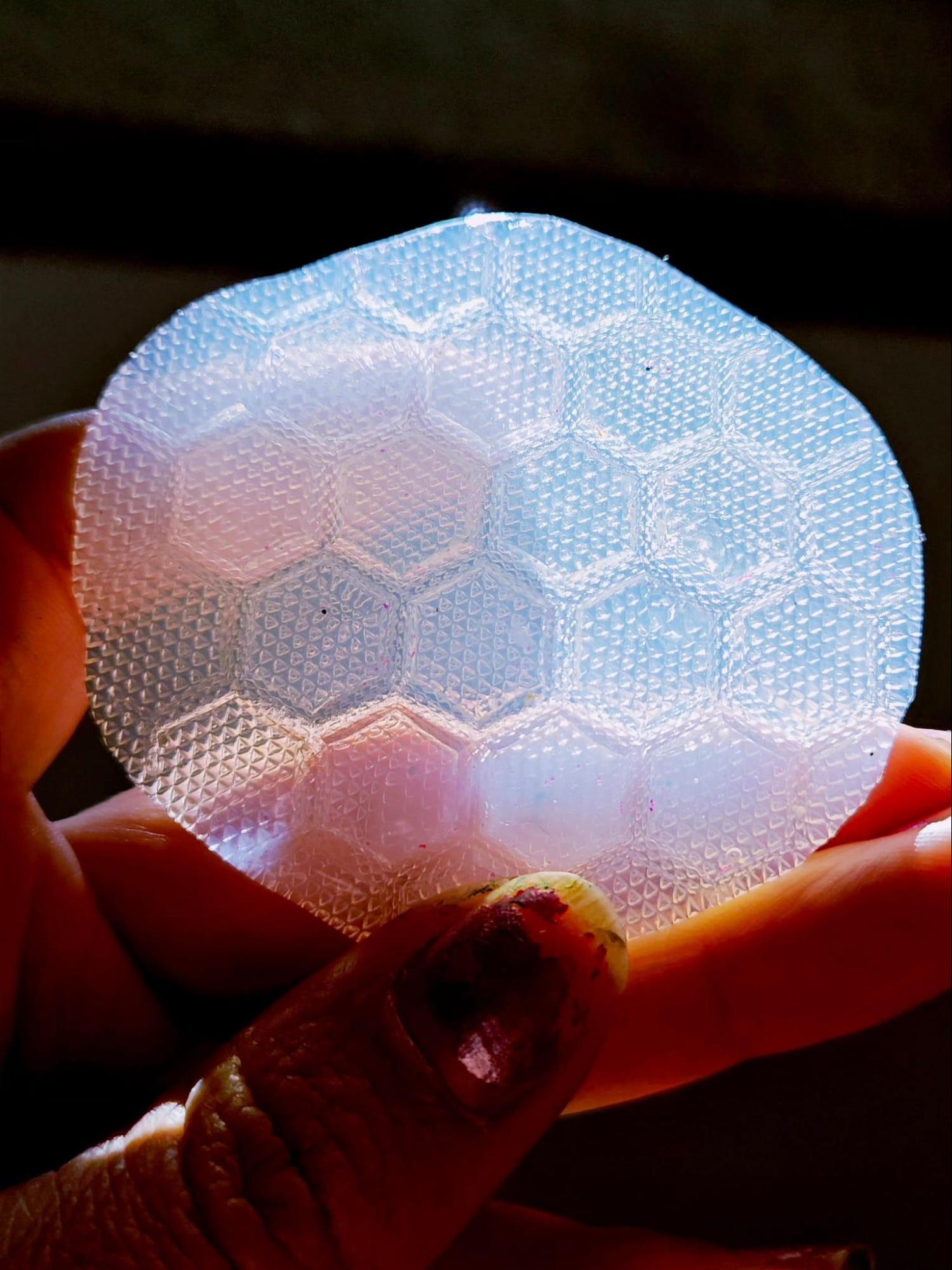
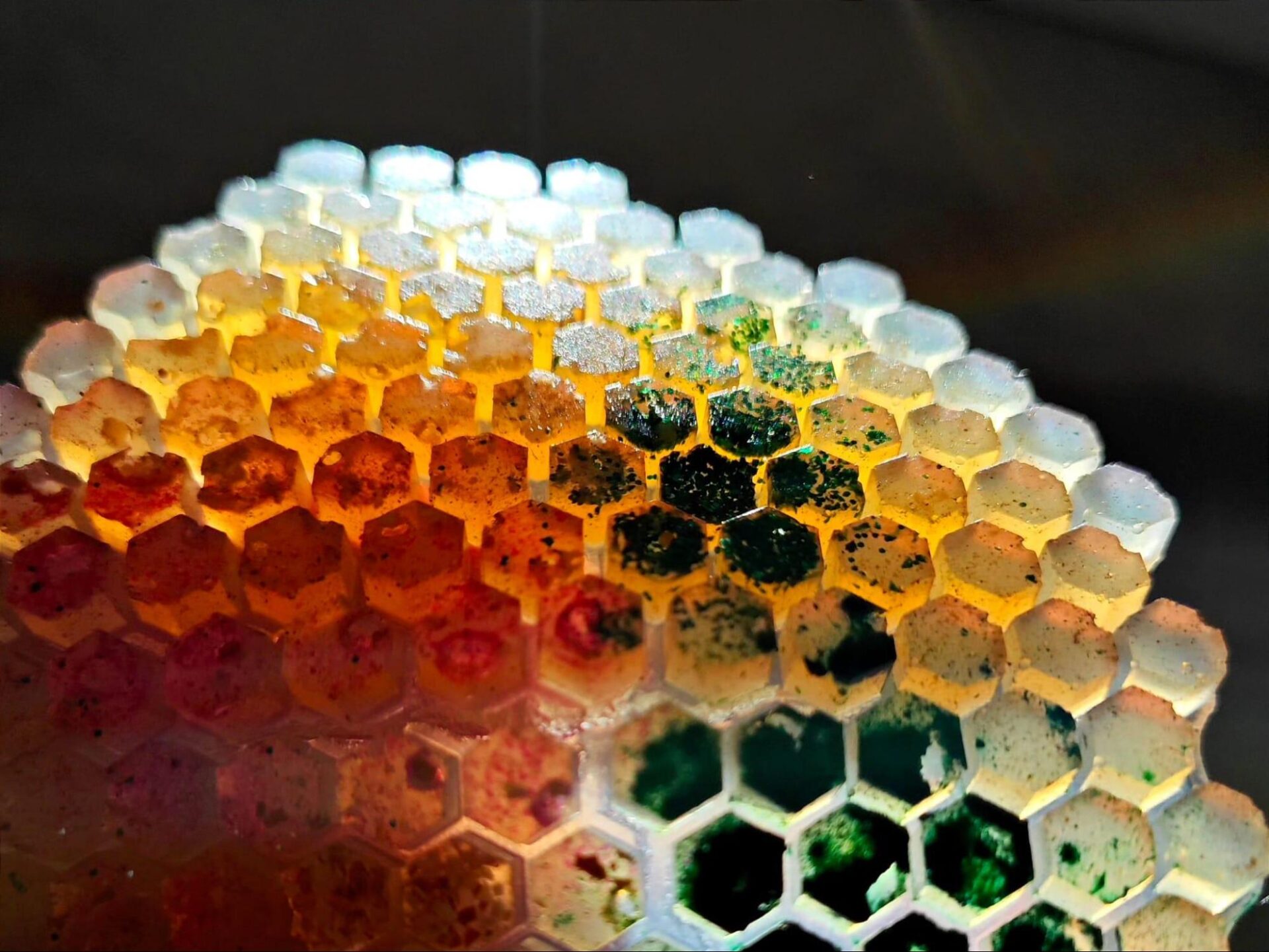
We tried to stimulate creativity by answering this question: “Well, you have to tell me”, but we saw a certain distance in the reactions, at that time we presented our samples as plates. One day we decided to do something more three-dimensional, and the reactions changed dramatically: people laughed because they saw in the samples infinite ways of making flower pots.Then we realised that by showing a concrete shape it was much easier to get the idea we were looking for.
We are a two year project and web platform about culture and we are very interested in creative collaborations with the socio-environmental movement, so we are constantly organising workshops.
Miranda Moss is an artist, outsider engineer, eco-geek, and rogue educator from Sweden. Her transdisciplinary practice, which focuses on the problematic and hopeful possibilities of technology from a socio-ecological and anticolonial feminist perspective, has seen her exhibit, teach, and perform research across the globe in various art, science, community, academic, public, and hacker spaces.
Urs Gaudenz is a microengineer and founder of GaudiLabs. Urs has several years of experience as a consultant in innovation management and as a lecturer for product innovation at the Lucerne University of Applied Science and Arts. Urs has collaborated with artists on art and science projects for many years. He is known for his speculative and functional prototypes and his visionary work.
Tina Cortón is a a non-conformist designer who looks to the future through the lens of sustainability. It is this non-conformism that led her to become interested in biodegradable fabrics made from algae extract.
After working with biologist Cynthia Cenzano, who helped her create the algal polymer was invited by Restorative Practices to take part in Hackathon,
Verónica textile engineer that supports us with appreciate knowledge about fibers and testing components on the textiles